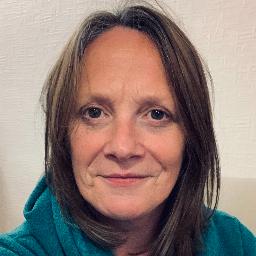
Therapist profile
Glennis Pye, BACP
- Registered with BACP
- 4 years in practice
- Sessions online
Counsellor - stress and young adult issues
- Integrative counselling
- Coaching techniques
- Attachment focus
About Glennis
Glennis trained to a Postgraduate Diploma level in Integrative Counselling and Coaching. That means she draws on several approaches and can include active coaching techniques when that fits a person's goals. Sessions focus on what a person wants to change and on practical steps that make a difference day to day.
She lists a broad range of concerns she supports, from anger and self-esteem to attachment and abandonment worries. Glennis will talk through current stresses and longer-standing patterns so clients can better understand their feelings and responses. The emphasis is on clear, manageable work rather than jargon.
Her way of working is collaborative. She agrees the direction of sessions with each client and adjusts methods to suit their preferences and aims. That can mean more reflective counselling at times and more coaching-style tasks at others.
Glennis works in the United Kingdom and offers sessions in English. She follows the BACP ethical framework in her practice and aims to help people find steady progress through practical conversation and activities.
How her approaches translate to online work
Acceptance and Commitment Therapy (ACT) helps people clarify what matters to them and take small steps towards those values while accepting difficult thoughts and feelings. It is often used for anxiety, stress and life-change issues. Attachment-Based Therapy looks at patterns formed in early relationships and how they show up now, which can help with relationship worries, abandonment concerns and self-esteem. Client-Centred Therapy focuses on listening, understanding and following the person's lead so they can explore feelings at their own pace; it is useful for grief, depression and emotional processing.Finding the right approach is part of the work. Glennis treats the choice of method as collaborative and will help you decide what fits your needs, goals and preferences. That might mean trying a reflective, talk-based path first or adding coaching-style tasks to build practical skills.
The biography does not list specific session formats, so please confirm current online options before booking. Online sessions can make it easier to fit therapy around study or work, cut travel time and allow shorter check-ins when life is busy. They also let people choose quieter surroundings or avoid being on camera if that helps, which can make it simpler to attend regular sessions and keep progress moving forward.
Areas of expertise
Primary focus
Also works with
Additional focus areas
Therapeutic approaches
Experience
4+ years
Credentials
United Kingdom
Languages
English
Frequently asked questions
What kinds of problems does she help with?
She works with stress, anxiety, depression, grief, trauma and relationship difficulties, plus concerns common in young adulthood such as career and life transitions.
What is her therapeutic style?
She uses an integrative approach that mixes counselling and coaching techniques to suit each person's goals. Methods include ACT, CBT and attachment-informed work among others.
How long has she been practising?
Glennis has four years of experience working with a wide range of clients and presenting issues.
What are her credentials and where is she based?
She is registered with the British Association for Counselling and Psychotherapy (BACP) and works in the United Kingdom.
Can I have sessions in another language or from outside the UK?
Sessions are offered in English. She does not accept international clients at this time.
What session formats are available?
The biography does not list specific session formats. Please confirm current session options before booking.
How are fees handled?
Cost varies with location and sessions use a subscription model that can be cancelled at any time.
How do I begin working with her?
Use the See online therapy options button, complete the short matching questionnaire, and schedule a first session.