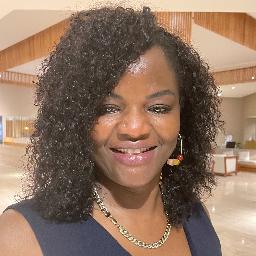
Therapist profile
Ramata Adebawo, LCSW
- Licensed in Oregon
- 7 years in practice
- Sessions online
LCSW - Young adult issues and relationships
- Stress and anxiety
- CBT and DBT skills
- Immigration concerns
About Ramata
She grew up between cultures and moved to the United States, and that background shapes how she understands people. Ramata values cultural differences and pays attention to how race, immigration, and prejudice affect everyday life. She speaks English and Lingala and has spent much of her career working in diverse communities.
Her approach centers on listening and working alongside each person. She uses client-centered conversation to clarify how concerns show up day to day. She also draws on cognitive behavioral techniques to help change unhelpful thoughts and behaviors. Dialectical behavior skills are used when intense emotions or self-regulation are a problem.
Ramata emphasizes practical steps and collaboration. Sessions often include setting small goals, practicing coping skills, and reviewing what worked between meetings. She also integrates attachment-focused ideas to look at how relationships affect feelings and patterns.
People who come to her can expect direct, plain conversations about what is causing stress and what can change next. She supports people coping with grief, caregiving stress, forgiveness work, immigration concerns, LGBT issues, and issues related to prejudice and discrimination. To begin, readers should confirm current session options before scheduling.
Therapeutic approaches and working online
Attachment-Based Therapy looks at how early and current relationships shape feelings and expectations. It helps when trust, closeness, or repeated relationship patterns cause stress. Cognitive Behavioral Therapy (CBT) focuses on the links between thoughts, feelings, and actions. It is useful for treating anxiety, depression, and unhelpful behavior patterns by practicing different ways of thinking and acting.Finding the best approach is part of the work. The therapist will discuss goals and preferences and try methods that fit the client. That choice is collaborative and can change as progress is made or new needs appear.
The practical benefits of online work include easier scheduling and fitting sessions into a busy week. Confirm the current session options before booking so you know what formats are offered. Online sessions can make it simpler to check in during a lunch break, use shorter appointments when needed, or avoid travel time. Licensed professionals adapt exercises, skills practice, and homework so they work over distance and across sessions.
Areas of expertise
Primary focus
Also works with
Additional focus areas
Therapeutic approaches
Experience
7+ years
Credentials
Oregon
Languages
English, Lingala
Frequently asked questions
What concerns does she help with?
She works with stress, anxiety, depression, trauma and abuse, relationship issues, parenting, self-esteem, career worries, addiction concerns, grief, and young adult issues.
How does she approach therapy?
She uses a client-centered style combined with cognitive behavioral and dialectical behavior techniques, plus attachment-focused ideas to address relationship patterns.
How much clinical experience does she have?
She has seven years of professional experience as a clinician working in diverse communities.
What credential does she hold and where is she based?
She is a Licensed Clinical Social Worker (LCSW) practicing in Oregon.
Which languages are available in sessions?
Sessions are offered in English and Lingala.
Can people living outside the United States work with her?
International clients are not currently accepted.
How are sessions structured and paid for?
Cost varies with location and sessions use a subscription that can be canceled at any time.
How do I start working with her?
Select the See online therapy options button, complete the short matching questionnaire, and schedule a first session.