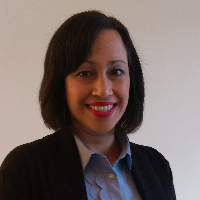
Therapist profile
Aparna Bell, LPCC
- Licensed in California
- 13 years in practice
- Sessions online
LPCC in California - Young adult issues, addictions
- Client-Centered Therapy
- CBT techniques
- Psychodynamic focus
About Aparna
She uses a mix of Client-Centered Therapy and Cognitive Behavioral Therapy to help people spot unhelpful thinking and try different responses. She also draws on psychodynamic ideas to notice repeating patterns and underlying issues that keep problems going. Sessions tend to involve reflective listening, practical skill-building, and talking through goals and setbacks.
Aparna works with people navigating grief, trauma and abuse, parenting stress, career questions, mood disorders including bipolar, and struggles with self-esteem and anger. She also supports people facing substance use issues and can work with either harm-reduction or abstinence goals while addressing related depression or anxiety.
Her style is straightforward and engaged. She helps people practice communication, set boundaries, and develop coping skills that fit everyday life. She pays attention to cultural differences and welcomes people from varied backgrounds.
To begin, clients complete a short questionnaire and schedule a first session. Costs vary with location and sessions use a subscription model that can be canceled at any time. Sessions are conducted in English and international clients are not accepted.
How her approaches translate to online sessions
Client-Centered Therapy centers on listening and reflecting back what matters to the client. Online sessions using this approach focus on building a trusting working relationship and clarifying goals. Cognitive Behavioral Therapy (CBT) is about spotting unhelpful thoughts and testing new behaviors. In an online setting that often means structured conversations, simple homework, and practicing skills between sessions. Existential Therapy looks at questions of meaning and choice and can help when life transitions leave someone feeling lost or stuck.Finding the right approach is part of the work. The therapist will talk through goals, preferences, and how a method feels in practice. Together they decide whether to emphasize skill-based CBT, deeper psychodynamic reflection, or an approach that mixes elements depending on what helps most.
The practical benefit of online sessions is fitting therapy into a busy life. Online work can make it easier to schedule regular check-ins, shorten sessions for quick follow-ups, or avoid travel time around studies or work. Confirm current session options before booking to know which formats are offered, and expect the therapist to tailor session length and focus to match daily demands and goals.
Areas of expertise
Primary focus
Also works with
Additional focus areas
Therapeutic approaches
Experience
13+ years
Credentials
California
Languages
English
Frequently asked questions
What concerns does she address for young adults?
She works with stress, anxiety, depression, addiction, self-esteem, relationships, career concerns and life transitions common in early adulthood.
What is her therapeutic style like?
She uses Client-Centered and Cognitive Behavioral approaches with psychodynamic ideas, combining listening with practical skill-building.
How long has she been practicing?
She has 13 years of experience working in outpatient and residential dual-diagnosis and recovery programs.
What are her credentials and where is she based?
She is an LPCC licensed in California and has practiced in the San Francisco area.
Does she work in languages other than English?
Sessions are offered in English.
Can people outside the United States work with her?
She is not accepting international clients at this time.
How are sessions billed and what do they cost?
Costs vary with location; sessions use a subscription that can be canceled at any time.
What are the first steps to start working together?
Select the See online therapy options button, complete a short matching questionnaire, and schedule a first session.