
Lorraine Kenowski
LPCConnecticut · 32 years in practice
Licensed Professional Counselor - Stress and Relationships
Stress, Anxiety · Relationship · Self esteem · Coping with life changes · +9 more
Read profileTherapist listings are provided by BetterHelp. We will earn a commission at no extra cost to you if you use our links to buy.
This page groups profiles of professionals who list communication problems among their focus areas for young adults. Use the filters to compare approaches, credentials, languages and listed location, then browse profiles to find practitioners whose style and experience match what you need.
Connecticut · 32 years in practice
Licensed Professional Counselor - Stress and Relationships
Stress, Anxiety · Relationship · Self esteem · Coping with life changes · +9 more
Read profile
Texas · 4 years in practice
LPC counselor - addictions and trauma
Addictions · Trauma and abuse · Grief · Anger · +1 more
Read profile
United Kingdom · 4 years in practice
Accredited counsellor - Young adult issues and anxiety
Stress, Anxiety · Self esteem · Career · Coaching · +4 more
Read profile
Kentucky · 6 years in practice
LCSW - Stress and young adult issues
Stress, Anxiety · Trauma and abuse · Grief · Depression · +1 more
Read profile
Texas · 6 years in practice
LCSW - Young adult stress and anxiety
Stress, Anxiety · Trauma and abuse · Anger · Self esteem · +8 more
Read profile
Maine · 14 years in practice
LCPC - Stress and relationship concerns
Stress, Anxiety · Relationship · Trauma and abuse · Anger · +1 more
Read profile
Australia · 3 years in practice
ACA counsellor - relationships and anxiety
Stress, Anxiety · Relationship · Grief · Parenting · +12 more
Read profile
Florida · 15 years in practice
Licensed Clinical Social Worker - Stress and Young Adult Issues
Stress, Anxiety · Parenting · Anger · Self esteem · +1 more
Read profile
Maryland · 8 years in practice
LCPC in Maryland - Stress and Trauma
Stress, Anxiety · Trauma and abuse · Grief · Depression · +1 more
Read profile
Louisiana · 3 years in practice
LMFT and LPC - Relationships and Young Adult Issues
Stress, Anxiety · Relationship · Family · Intimacy-related issues · +1 more
Read profile
Illinois · 22 years in practice
LCPC - Stress and relationship concerns
Stress, Anxiety · Relationship · Family · Intimacy-related issues · +11 more
Read profile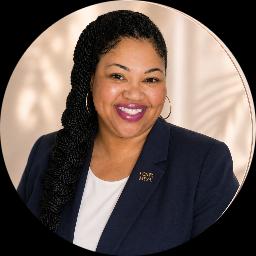
North Carolina · 22 years in practice
LCSW - Young adult issues and mood concerns
Stress, Anxiety · Relationship · Family · Self esteem · +1 more
Read profile
United Kingdom · 4 years in practice
NCPS counsellor - stress and relationships
Stress, Anxiety · Grief · Parenting · Depression · +15 more
Read profile
United Kingdom · 7 years in practice
Counsellor - Young adult issues and trauma
Stress, Anxiety · Trauma and abuse · Self esteem · Depression · +10 more
Read profile
Florida · 35 years in practice
Florida LMHC - Young adult and relationships
Relationship · Trauma and abuse · Grief · Self esteem · +8 more
Read profile
United Kingdom · 6 years in practice
Counsellor - stress and relationship support
Stress, Anxiety · Addictions · Relationship · Trauma and abuse · +14 more
Read profile
United Kingdom · 5 years in practice
Counsellor - young adult issues and life transitions
Stress, Anxiety · Addictions · Relationship · Trauma and abuse · +15 more
Read profile
New York · 5 years in practice
Licensed Mental Health Counselor - Stress and Anxiety
Stress, Anxiety · Addictions · Family · Trauma and abuse · +1 more
Read profile
North Carolina · 3 years in practice
LCSW - Stress and relationship concerns
Stress, Anxiety · Relationship · Self esteem · Depression · +1 more
Read profile
Texas · 9 years in practice
LPC counselor - trauma and young adult issues
Stress, Anxiety · Relationship · Trauma and abuse · Grief · +1 more
Read profile
Texas · 7 years in practice
LPC in Texas - Young adult and relationship concerns
Stress, Anxiety · Parenting · Anger · Self esteem · +13 more
Read profile
Australia · 3 years in practice
AASW social worker - young adult concerns
Stress, Anxiety · LGBT · Relationship · Trauma and abuse · +1 more
Read profile
United Kingdom · 5 years in practice
Counsellor - Young adult issues and relationships
Stress, Anxiety · Trauma and abuse · Grief · Self esteem · +11 more
Read profile
California · 16 years in practice
Licensed MFT - Young adult concerns
Stress, Anxiety · Family · Parenting · Self esteem · +10 more
Read profile
United Kingdom · 4 years in practice
BACP counsellor - young adult focused
Addictions · Relationship · Self esteem · Depression · +6 more
Read profile
Florida · 6 years in practice
Florida LMHC - Stress and Trauma
Stress, Anxiety · Family · Trauma and abuse · Self esteem · +1 more
Read profile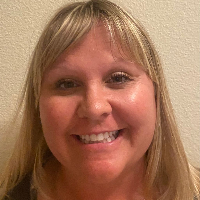
Colorado · 18 years in practice
LPC counselor - stress and life changes
Stress, Anxiety · Addictions · Relationship · Self esteem · +15 more
Read profile
Michigan · 16 years in practice
Licensed Professional Counselor - Young adult concerns
Stress, Anxiety · Addictions · Relationship · Parenting · +8 more
Read profile
South Carolina · 5 years in practice
Licensed Professional Counselor - Anxiety and Young Adult issues
Stress, Anxiety · Trauma and abuse · Grief · Self esteem · +1 more
Read profile
Texas · 4 years in practice
LPC in Texas - Young adult issues and life transitions
Stress, Anxiety · Relationship · Self esteem · Career · +1 more
Read profile
United Kingdom · 9 years in practice
BACP counsellor - young adult life issues
Stress, Anxiety · LGBT · Trauma and abuse · Self esteem · +13 more
Read profile
Michigan · 10 years in practice
LPC in Michigan - Young adult transitions and anxiety
Stress, Anxiety · Parenting · Anger · Career · +11 more
Read profile
South Carolina · 5 years in practice
Licensed Professional Counselor - Young adult and anxiety support
Stress, Anxiety · Self esteem · Depression · Coping with life changes · +9 more
Read profile
Georgia · 4 years in practice
Licensed Professional Counselor - Young adult issues
Stress, Anxiety · Family · Self esteem · Depression · +1 more
Read profile
United Kingdom · 6 years in practice
Counsellor - young adult issues and trauma
Stress, Anxiety · Trauma and abuse · Grief · Self esteem · +16 more
Read profile
United Kingdom · 4 years in practice
Counsellor - Young adult issues and life change
Stress, Anxiety · Relationship · Grief · Self esteem · +13 more
Read profileWhen you are navigating the transition from school to work, moving out, starting long-term relationships or figuring out your identity, the way you give and receive messages can shape many everyday outcomes. Communication problems may show up as trouble saying no, feeling blocked in conversations, anxiety about interviews or dating, misunderstanding roommates and family, or repeated conflict at work or in friendships. For many people in their late teens and twenties, these challenges are tied up with milestones - first jobs, money stress, moving cities - and with the pressure of comparing yourself to peers online. You may feel like you are falling behind or like others have already figured out how to speak up and be heard. Therapists can help you unpack patterns that make it hard to express needs, manage conflict, set boundaries and feel understood. The focus here is on young adulthood, so the profiles you see emphasize work relevant to this stage of life rather than childhood or adolescent care unless that is explicitly stated in a profile.
This directory groups profiles of clinicians who list young-adult issues and who also list communication problems among their specialties. That listing is an indicator of the focus areas a clinician highlights on their profile, not proof of specialist certification, diagnostic services or guaranteed outcomes. You should view each profile as a starting point for comparing clinicians by what they say they work on and how they describe their approach. Communication difficulties often intersect with social anxiety, relationship concerns, workplace stress and identity development in this life stage. You may find therapists who describe working with role-play and skills practice, and you may also find clinicians who emphasize exploring family or cultural patterns that shape how you communicate. When you read a profile, look for language that aligns with your priorities - whether you want practical skill-building for interviews, help with expressing needs in a romantic relationship, or support navigating family expectations while you move toward independence.
Before deciding which profiles to focus on, prepare concrete questions that get at approach and experience. Ask how a clinician typically supports young adults who struggle with directness, conflict avoidance or people-pleasing, and whether they use structured skill practice, narrative exploration, or a combination. Inquire about experience with specific situations you face - workplace feedback conversations, dating communication, living with parents after leaving home, navigating friendships online and offline, or managing exam and study-related stress alongside relationship strain. If an approach is mentioned on a profile, phrase questions to reflect that a listing does not guarantee a qualification - for example, you can say, "I see you list cognitive-behavioral approaches among your methods; how do you apply those when working on communication skills with young adults?" Ask about previous client goals that resemble yours and how the clinician measures progress or adapts when something is not working for you. Keep in mind that academic degrees such as PhD, PsyD, MD, MA or MSW are distinct from professional permission to practice. In the United States you can ask about state licensure such as LCSW, LPC or LMFT. In the United Kingdom ask about registration or membership with professional bodies such as HCPC or BACP. In Australia ask whether the clinician is registered with AHPRA or belongs to relevant professional associations. A degree alone does not confirm current permission to practice in your jurisdiction, so ask about both academic background and current practice permissions where relevant.
If you plan to work remotely at any point, have a conversation before you begin about the practical and safety aspects of online care. Confirm whether the therapist is able to work with clients in your listed location, since rules about cross-jurisdiction practice vary. Talk about what communication channels you prefer between sessions - some clinicians allow brief messages or scheduling requests by email while others limit contact to administrative matters only. Discuss technology and backup plans in case of connection problems, and ask how the clinician handles emergencies or crisis situations given your current location; if you are experiencing severe distress or thoughts of self-harm you should contact local emergency services or a crisis line immediately. Clarify expectations for boundaries, turnaround time for messages, and how they document goals so you can track progress. You should also raise any access needs related to hearing, vision, language, or neurodiversity so the clinician can describe ways they adapt their work. If cultural identity, gender, sexuality or language are important to you, ask how they incorporate those factors into sessions and whether they have experience supporting clients with similar backgrounds or names for their identities.
When you scan profiles, compare concrete elements rather than relying on general impressions alone. Look at the list of focus areas to see whether communication problems are grouped with related concerns you want addressed - such as anxiety, relationship conflict, workplace performance or identity exploration. Note the approaches that are listed and remember to treat those as starting points for a conversation - you can ask a clinician what that approach looks like in practice for you. Check the languages a clinician lists if working in a language you are fluent in matters to you. Compare academic degrees and then look for information about professional permissions to practice in relevant jurisdictions. Pay attention to descriptors of therapeutic style - words like collaborative, direct, exploratory, or skills-focused indicate different ways of working. If you prefer a clinician who gives practical exercises, look for profiles that mention skill practice or coaching-style support; if you want a space to reflect on family patterns and identity, seek profiles that emphasize exploration and narrative work. Consider listed location as a practical factor - it indicates where a clinician is based, which affects legal and logistical aspects of care for remote work. Finally, use profiles to find points of contact for asking specific questions about costs, session structure, or any other practical concern, keeping in mind that the listings are a starting point and that you should discuss scope of practice directly with the clinician. If you are unsure whether a clinician treats couples, families, or clients under 18, ask them directly rather than assuming these services are included based on a focus area.
Your next step is to narrow profiles to a few clinicians whose language and described focus resonate with you, then reach out with focused questions about approach, experience with young adults, practice permissions in your listed location, and how they typically address the kinds of communication situations you face. You do not need to have everything figured out before contacting someone - a short message that describes your main concerns and asks two or three practical questions will help you assess fit. If you are dealing with immediate crisis or thoughts of harming yourself, please contact emergency services or a crisis line in your area right away rather than waiting. Choosing a clinician is a personal decision and finding someone whose manner feels like a match can make it easier to practice new ways of speaking, setting boundaries and navigating relationships as you move through this stage of life.
Alabama
79 therapists
Alaska
4 therapists
Arizona
49 therapists
Arkansas
31 therapists
Australia
110 therapists
California
290 therapists
Colorado
88 therapists
Connecticut
44 therapists
Delaware
12 therapists
District of Columbia
12 therapists
Florida
515 therapists
Georgia
141 therapists
Hawaii
14 therapists
Idaho
30 therapists
Illinois
154 therapists
Indiana
75 therapists
Iowa
19 therapists
Kansas
32 therapists
Kentucky
59 therapists
Louisiana
96 therapists
Maine
26 therapists
Maryland
81 therapists
Massachusetts
68 therapists
Michigan
158 therapists
Minnesota
48 therapists
Mississippi
55 therapists
Missouri
109 therapists
Montana
22 therapists
Nebraska
19 therapists
Nevada
28 therapists
New Hampshire
6 therapists
New Jersey
117 therapists
New Mexico
7 therapists
New York
227 therapists
North Carolina
217 therapists
North Dakota
5 therapists
Ohio
109 therapists
Oklahoma
71 therapists
Oregon
15 therapists
Pennsylvania
152 therapists
Rhode Island
8 therapists
South Carolina
94 therapists
South Dakota
10 therapists
Tennessee
57 therapists
Texas
512 therapists
United Kingdom
1077 therapists
Utah
33 therapists
Vermont
7 therapists
Virginia
90 therapists
Washington
43 therapists
West Virginia
18 therapists
Wisconsin
68 therapists
Wyoming
17 therapists