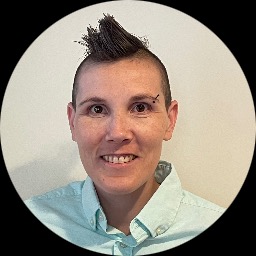
Therapist profile
B Payson Croy, LICSW
- Licensed in Massachusetts
- 3 years in practice
- Sessions online
LICSW - Young adult issues and relationships
- DBT skills
- Psychodynamic work
- Young adult focus
About B
Her sessions are straightforward and conversational. She listens to what is most pressing and helps people name patterns that get in the way. Practical skills and insight both appear in sessions so clients have something to use between meetings.
Croy combines elements of Dialectical Behavior Therapy and psychodynamic work. That means she may teach emotion regulation and coping skills while also looking at past experiences and relationship patterns that shape present feelings. She aims to balance immediate tools with understanding long‑running habits.
People seek her out for issues such as abandonment, attachment difficulties, codependency, communication problems, guilt and shame, and questions about sexuality and life purpose. She also works with mood disorders and post-traumatic stress within the range of concerns listed above.
In practice she keeps things direct and pragmatic. Sessions focus on steps you can try, reflections about how things developed, and setting small goals between meetings. To begin, clients complete a short matching questionnaire and schedule a first session through the platform.
How her approaches translate to online work
Dialectical Behavior Therapy focuses on teaching concrete skills for managing intense emotions and improving relationships. It is often used for anxiety, mood issues, and difficulties with emotion regulation by giving clear practices to try between sessions.Psychodynamic Therapy pays attention to how past relationships and early experiences shape current feelings and behavior. This work helps uncover recurring patterns, especially around attachment, abandonment, and codependency, so people can respond differently in the present.
Choosing the right approach is a collaborative process. She will work with each person to decide whether more skills-based work, psychodynamic reflection, or a combination makes sense. Goals, preferences, and what feels useful guide those decisions rather than a fixed plan.
Session formats are not specified in the biography, so confirm current options before booking. Many people find online sessions easier to fit into study or work schedules, allow shorter check-ins when time is limited, and reduce the need for travel. Discussing how to make sessions work for day-to-day life is part of the first meetings.
Areas of expertise
Primary focus
Additional focus areas
Therapeutic approaches
Experience
3+ years
Credentials
Massachusetts
Languages
English
Frequently asked questions
What sorts of problems does she help with?
She supports people with stress, anxiety, LGBT concerns, relationship problems, trauma and abuse, and life changes. Young adult issues are listed among her practice areas.
What is her therapeutic style like?
Her approach blends skill-based work and longer-term reflection. Expect practical coping strategies alongside discussion of how past experiences shape current patterns.
How much clinical experience does she have?
She has three years of professional experience working as an LICSW in Massachusetts.
What are her credentials and where is she based?
She holds an MA and practices as an LICSW in Massachusetts.
Does she work in languages other than English?
Sessions are offered in English.
Can people outside the United States work with her?
International clients are not accepted at this time.
How does pricing work for sessions?
Cost varies with location and sessions use a subscription model that can be canceled at any time.
How do I begin with her?
Click the See online therapy options button, complete the short matching questionnaire, and schedule a first session.