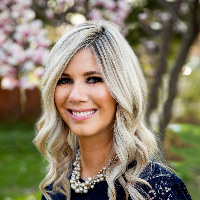
Therapist profile
Bridget Gottlieb, LMSW, LCSW
- Licensed in Michigan
- 20 years in practice
- Sessions online
LCSW in Michigan - Young adult and transitions
- ACT methods
- CBT skills
- Relationship work
About Bridget
Bridget uses several practical approaches in sessions. She draws on Acceptance and Commitment Therapy (ACT), Cognitive Behavioral Therapy (CBT), Dialectical Behavior Therapy (DBT), Attachment-Based Therapy and Client-Centered Therapy. In plain terms, that means she helps people notice what matters to them, challenge unhelpful thoughts, build emotion regulation skills, and strengthen relationship patterns.
Her work often centers on big changes - grieving a loss, starting or leaving jobs, health setbacks, parenting pressures, or the strain of relationship conflict. Sessions focus on clear goals and usable strategies rather than long theory talks. Bridget helps people break problems into small steps and practice new responses between meetings.
She also pays attention to attachment and relationship patterns that affect intimacy and communication. That can mean looking at how early experiences shape current reactions, and then trying different ways of connecting and setting boundaries. Clients leave with concrete tools to manage anxiety, anger, or compulsive behaviors.
Bridget asks people to describe what they want to change and works with them to set realistic next steps. Her approach is active and practical, aimed at steady progress through transitions and difficult moments.
How Bridget’s approaches translate to online work
Acceptance and Commitment Therapy (ACT) focuses on clarifying values and taking committed action toward them while learning to let difficult thoughts come and go. It can help with feeling stuck after major life changes or with anxiety about choices. Cognitive Behavioral Therapy (CBT) targets the links between thoughts, feelings and behaviors and teaches practical exercises to reduce anxiety and challenge negative thinking patterns.Finding the right approach is part of the work. Bridget will discuss your concerns and goals and collaborate on which methods to try. That may mean combining ACT with CBT skills, or adding DBT techniques for emotion regulation and distress tolerance if needed.
The biography does not specify session formats, so confirm current options before booking. Many people find online sessions fit better around jobs, school and busy schedules because they reduce travel time and can be scheduled more flexibly. Online meetings also let sessions be shorter check-ins when life is hectic, or more focused skill practice between in-person commitments. Ask about the specific session options available when you sign up so you can choose what fits your daily routine.
Areas of expertise
Primary focus
Also works with
Additional focus areas
Therapeutic approaches
Experience
20+ years
Credentials
Michigan, Florida
Languages
English
Frequently asked questions
What kinds of problems does she help with?
She works with stress, anxiety, depression, grief, relationship issues, addictions, parenting and many life changes including career and identity concerns.
What is her therapy style like?
She uses practical approaches such as ACT, CBT, DBT, Attachment-Based and Client-Centered methods to build skills and change unhelpful patterns.
How much experience does she have?
She has 20 years of clinical experience working with people facing anxiety, depression, grief, chronic illness and transitions.
What are her credentials and where is she based?
She holds LMSW and LCSW credentials and practices in Michigan, United States.
Can I work with her if I live outside the United States?
Sessions are offered in English and she is not accepting international clients at this time.
What session formats are available?
The biography does not list specific session formats; confirm current session options before booking.
How are fees handled?
Cost varies with location and sessions use a subscription model that can be canceled at any time.
How do I begin working with her?
Select the See online therapy options button, complete a short matching questionnaire, and schedule your first session.