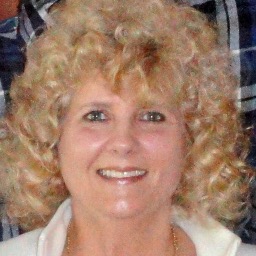
Therapist profile
Christine Frederick, LICSW
- Licensed in Massachusetts
- 14 years in practice
- Sessions online
LICSW - Young adult issues and relationships
- Client-centered
- CBT techniques
- Solution-focused
About Christine
She uses a practical, strength-based approach that looks at what a person already does well. Christine helps people identify concrete skills and habits they can build on. Sessions focus on clear goals and steps rather than vague concepts.
Christine blends client-centered work with cognitive behavioral strategies and short-term solution-focused techniques. That means she listens for each person’s priorities, helps notice and shift unhelpful thinking or behaviors, and sets focused steps to try between sessions.
She has substantial experience with substance use and addiction concerns, caregiver stress and end-of-life care, and family conflict related to separation or divorce. Christine also supports people dealing with attachment issues, codependency, communication problems, and the stresses of caregiving and aging relatives.
In practice she keeps communication direct and task-oriented. Conversations are used to set realistic actions, track progress, and adjust plans when needed. People who prefer clear next steps and practical tools often find this approach useful.
How Christine uses practical therapies online
Client-centered therapy emphasizes the person's own goals and perspectives. The therapist listens closely, reflects what matters, and helps people choose which problems to tackle first. This approach is useful for relationship questions, family conflict, and figuring out priorities after major life changes.Cognitive Behavioral Therapy, or CBT, focuses on the link between thoughts, feelings, and actions. It teaches straightforward techniques to test and change unhelpful thinking and to try new behaviors. CBT is commonly used for anxiety, depression, and managing stress or addictive urges.
Solution-focused therapy concentrates on current strengths and small steps. Sessions aim to set clear, short-term goals and to build on what already works. That makes it useful when someone wants quick, practical changes they can use between meetings.
Finding the right mix of approaches is part of the work. The therapist will discuss goals, preferences, and what has or hasn’t helped before, and then recommend which methods to try. This is a collaborative process and plans can be adjusted as progress is reviewed.
Confirm the available session formats before booking since the biography does not list specific online or in-person options. Online sessions can make it easier to fit therapy around study, work, and caregiving responsibilities, reduce travel time, and allow shorter check-ins when schedules are tight.
Areas of expertise
Primary focus
Also works with
Additional focus areas
Therapeutic approaches
Experience
14+ years
Credentials
Massachusetts
Languages
English
Frequently asked questions
What kinds of problems can she help with?
She works with stress, anxiety, addiction, depression, grief, relationship and intimacy issues, trauma and related concerns listed in her specialties.
How would she approach therapy with me?
The approach is strength-based and client-centered, combined with CBT and solution-focused techniques to set goals and practical steps.
How much clinical experience does she have?
She has 14 years of clinical experience working with adults in Massachusetts on a range of concerns.
What are her credentials and where is she based?
She is a Licensed Independent Clinical Social Worker (LICSW) and practices in Massachusetts.
Does she work in languages other than English?
Sessions are offered in English.
Can people outside the US work with her?
She does not accept international clients at this time.
How are sessions scheduled and what does it cost?
Cost varies with location and sessions use a subscription model that can be canceled at any time.
How do I start a first session?
Select the See online therapy options button, complete the short matching questionnaire, and schedule a first session.