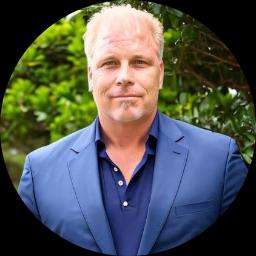
Therapist profile
Christopher Korty, LCSW
- Licensed in North Carolina
- 20 years in practice
- Sessions online
LCSW - Relationships and Young Adult Concerns
- CBT
- DBT
- Motivational interviewing
About Christopher
He approaches sessions in a practical, straightforward way. Conversations focus on concrete problems and steps clients can try between sessions. He uses methods such as Cognitive Behavioral Therapy, Dialectical Behavior Therapy, and Motivational Interviewing to guide the work without promising a specific outcome.
Clients can expect short-term strategies for coping and emotional regulation alongside longer-term problem solving. That can include skill practice for managing strong emotions, clearer communication techniques, and ways to spot unhelpful thinking patterns. Christopher will talk through what is most important to the client and suggest options to try.
His background includes two decades of varied clinical work helping people with parenting and relationship concerns, anger and behavioral struggles, and life transitions. He frames treatment around respect and sensitivity and adjusts conversations to the needs presented in session.
If you are weighing the first step, Christopher aims to clarify next actions and set manageable goals. He invites straightforward discussion about expectations, timing, and what will be tried in therapy.
How Christopher applies core approaches in online sessions
Christopher commonly uses Cognitive Behavioral Therapy and Dialectical Behavior Therapy in session. CBT focuses on identifying and changing unhelpful thoughts and behaviors, useful for anxiety, depression, and stress by breaking problems into manageable steps. DBT emphasizes emotional regulation, distress tolerance, and interpersonal effectiveness skills, which can help with anger, impulsivity, and relationship challenges.He also draws on Motivational Interviewing when someone is unsure about change. That approach uses open questions and reflective listening to help clarify personal goals and increase motivation. Deciding which approach to prioritize is collaborative; the therapist works with the client to match methods to goals and preferences as part of the early sessions.
Confirm the specific session formats available before booking, as the profile does not list formats explicitly. Online work can make it easier to fit sessions around study, work, or commutes and can reduce travel time. Some formats are simpler for quick check-ins or when video is difficult, while others support longer, practice-focused meetings. Discuss scheduling needs and practical arrangements during the first contact so sessions fit your everyday routine.
Areas of expertise
Primary focus
Also works with
Additional focus areas
Therapeutic approaches
Experience
20+ years
Credentials
North Carolina
Languages
English
Frequently asked questions
What kinds of problems does he address?
He works with stress, anxiety, depression, relationship strain, grief, addiction, and other issues listed under his specialties, including young adult concerns.
What is his therapeutic style?
He uses practical, problem-focused conversation and offers specific skills to try between sessions. Techniques come from CBT, DBT, and Motivational Interviewing.
How much clinical experience does he have?
He has 20 years of professional work experience in clinical settings and community practice.
What are his credentials and where is he based?
He holds an LCSW credential and practices from North Carolina as indicated by his NC LCSW listing.
Does he offer sessions in languages other than English?
Sessions are offered in English.
Can international clients work with him?
He does not accept international clients at this time.
How are sessions paid for?
Cost varies by location and sessions are provided through a subscription model that can be canceled at any time.
How do I get started with scheduling?
Use the See online therapy options button, complete the short matching questionnaire, and schedule a first session.