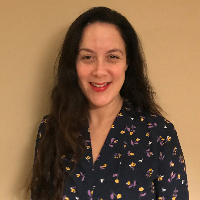
Therapist profile
Hillary Haarmann, LCSW
- Licensed in Missouri
- 20 years in practice
- Sessions online
LCSW - Young adult issues and life transitions
- CBT techniques
- Mindfulness practice
- Solution-focused goals
About Hillary
Hillary uses straightforward talk therapy to help people sort through immediate problems. Sessions often focus on practical steps, identifying unhelpful thoughts, and building clearer patterns of behavior. She also brings work on coping with grief, addiction, bipolar mood challenges, and issues related to sexuality and LGBT concerns.
Her practice blends Cognitive Behavioral Therapy and solution-focused techniques. That often means noticing negative automatic thoughts, testing them, and practicing different responses. She also uses mindfulness to help people notice the present moment and reduce reactivity.
Hillary describes therapy as collaborative. She helps people set concrete goals and tracks small changes from session to session. Her approach is goal-oriented and grounded in everyday skills that can be tried between meetings.
Her background includes a Bachelor’s degree from Indiana University and a Master’s degree from Washington University in St. Louis. Over two decades she has worked with adults and adolescents facing mood disorders, chemical dependency, and life transitions. She encourages clients to bring specific goals and real problems to work on in therapy.
How her approaches translate to online sessions
Hillary commonly uses Cognitive Behavioral Therapy and solution-focused work, explained in plain terms. CBT involves identifying unhelpful thoughts, testing those thoughts, and practicing different responses to reduce anxiety and low mood. Solution-focused work centers on small, practical steps tied to goals so progress can be measured session to session.She also draws on mindfulness practices to help people notice their reactions and stay present for short moments. Mindfulness can be useful for stress, rumination, and improving attention during study or work days. Together these approaches aim to give clear skills someone can try between meetings and report back on what worked.
Finding the best approach is a collaborative process. She will discuss goals, preferences, and what feels workable, then adapt methods based on what the client wants to achieve. That means sessions can shift focus if different techniques are more helpful over time.
The biography does not list specific session formats, so confirm current options before booking. Online sessions can make it easier to fit therapy around classes, work shifts, or caregiving by reducing travel time and allowing check-ins during a break. Phone meetings can be a quicker way to have a check-in, while video sessions let participants use visual cues during skill practice.
Areas of expertise
Primary focus
Also works with
Additional focus areas
Therapeutic approaches
Experience
20+ years
Credentials
Missouri
Languages
English
Frequently asked questions
What concerns does she help with?
She works with stress, anxiety, depression, relationship problems, low self-esteem, and life changes such as new jobs or parenting.
What is her therapeutic style like?
Her style is practical and collaborative, using talk therapy to set goals and try new coping skills between sessions.
How much experience does she have?
She has 20 years of clinical experience working with adults and adolescents on mood, addiction, and transition-related concerns.
What are her credentials and where is she based?
She is an LCSW licensed in Missouri and practices there.
Does she offer sessions in other languages or to international clients?
Sessions are offered in English and she is not currently accepting international clients.
What session formats does she provide?
The original biography does not list specific session formats; please confirm current session options before booking.
How does payment work?
Cost varies with location and sessions use a subscription that can be canceled at any time.
How do I get started?
Select the See online therapy options button, complete the short matching questionnaire, and schedule a first session.