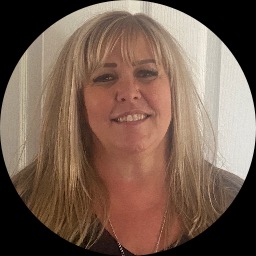
Therapist profile
Julie Durmush, NCPS
- Registered with NCPS
- 6 years in practice
- Sessions online
Julie Durmush NCPS - Counsellor for young adults and adults
- Stress and anxiety
- Relationships and grief
- CBT and mindfulness
About Julie
Julie describes her core approach as person-centred, which means she listens without judgement and aims to understand how someone is feeling. She adapts methods from cognitive behavioural and emotion-focused work when a clearer structure or different angle helps. Mindfulness and trauma-focused elements are also used where they suit the concern being addressed.
In session she offers direct conversation, reflective listening and practical tools. She sometimes uses single-session exercises such as the wheel of life to map areas of satisfaction and plan small changes. She has also worked with emergency services personnel and with varied presentations including OCD, personality difficulties, PTSD, workplace trauma and childhood trauma.
Her registration with The National Counselling Society means she adheres to their ethical framework. Julie aims to build a trusting, collaborative relationship so people feel heard and can consider clear next steps. She invites clients to decide together which approaches and techniques feel most helpful.
Practical options and session formats should be confirmed before booking. The usual starting point is a brief matching questionnaire and a first appointment to agree goals and practical arrangements.
How her approaches translate to remote sessions
Julie uses person-centred principles alongside cognitive behavioural therapy (CBT) and trauma-focused ideas. Person-centred work means she listens and reflects back what she hears, helping clarify feelings and priorities. CBT offers practical steps and exercises to test thoughts and change unhelpful patterns. Trauma-focused elements focus on pacing, stabilising techniques and making sense of past events in a gradual way.Deciding which approach to use is collaborative. Julie will discuss goals and preferences in the first appointment and adjust methods as the work progresses. Clients and the therapist agree together on whether to focus on skills, emotional processing or a blend of both.
Session formats are not listed in the biography, so confirm current options before booking. Online sessions can make it easier to fit therapy around study, work and commuting. They can allow shorter check-ins, reduce travel time and let people use quiet, low-distraction moments between other commitments. Registered or accredited professionals, including Julie, can help plan a practical schedule that fits everyday life without promising any specific format.
Areas of expertise
Primary focus
Also works with
Additional focus areas
Therapeutic approaches
Experience
6+ years
Credentials
United Kingdom
Languages
English
Frequently asked questions
What issues does she help with?
She works with stress, anxiety, relationship problems, trauma and abuse, grief, ADHD, LGBT concerns, self-esteem and coping with life changes.
What is her therapeutic style like?
Her core style is person-centred listening without judgement. She combines that with cognitive behavioural, emotionally-focused and mindfulness techniques when helpful.
How much experience does she have?
She has six years of clinical experience working with adults and young people in the UK, including work with emergency services personnel.
What are her credentials and where is she based?
She is registered with the National Counselling Society (NCPS) and practises in the United Kingdom.
Can someone who doesn’t speak English work with her?
Sessions are offered in English.
Does she see international clients?
She does not accept international clients at this time.
How does payment and cost work?
Cost varies with location; sessions use a subscription model that can be cancelled at any time.
What do I do to start?
Select the See online therapy options button, complete a short matching questionnaire, and schedule a first session.