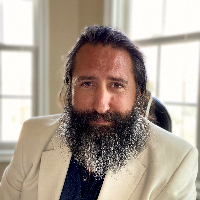
Therapist profile
Prof. Randolph (Randy) Beasley, LMFT
- Licensed in California
- 5 years in practice
- Sessions online
LMFT - Relationships and Mood
- CBT based tools
- Gottman-informed work
- Goal oriented approach
About Randolph
Randy studied business and theology before completing a Master of Arts in Marriage and Family Therapy. Earlier roles included pastoral work and running a Christian camp, and he has worked in community clinics, substance-use treatment settings, a state hospital, and jail contexts. That range of placements informs how he approaches everyday problems and crisis moments.
His style is goal-oriented and client-centered. He uses solution-focused ideas and cognitive behavioral tools to identify unhelpful thinking and build new habits. He also draws on existential questions about meaning and responsibility when those themes matter to the person in front of him.
Randy has experience with trauma, addiction, couples and family concerns, and complex care settings. He mentions work with foster services, wraparound services, competency restoration, and crisis intervention facilitation in his background. Those experiences shape practical strategies he brings to sessions.
Sessions focus on clear goals, skill practice, and checking progress. He helps people talk through relationship patterns, manage mood symptoms, and handle life transitions like starting work, moving, or ending relationships. People who prefer direct, pragmatic conversation tend to do well with his approach.
How his approaches translate to online work
Client-Centered Therapy focuses on the person’s goals and experience. The therapist listens, reflects, and helps people clarify what matters to them and what they want to change. Cognitive Behavioral Therapy (CBT) targets specific thoughts and behaviors. It uses exercises and homework to shift patterns that feed anxiety, depression, or anger. Dialectical Behavior Therapy (DBT) offers skills for emotion regulation and distress tolerance, useful when strong reactions get in the way of daily life.Choosing the right approach is part of the work. Randy will collaborate with each person to figure out which methods fit their goals and preferences. That means trying techniques in session, checking what helps, and adjusting the plan together rather than imposing a fixed method.
Session formats are not listed in the biography, so confirm current online options before booking. Online work can make it easier to schedule therapy around classes, jobs, or commuting. It can also allow shorter check-ins when time is limited, or let someone use audio-only if bandwidth or being on camera is difficult. Licensed professionals use these practical options to fit therapy into everyday life while focusing on skills, goals, and progress.
Areas of expertise
Primary focus
Also works with
Additional focus areas
Therapeutic approaches
Experience
5+ years
Credentials
California, Alaska
Languages
English
Frequently asked questions
What kinds of problems does he address?
He works with stress, anxiety, depression, addiction, relationship concerns, grief, and a range of young adult issues such as career and life transitions.
What is his therapeutic style like?
His approach is goal-oriented and client-centered, using solution-focused techniques and CBT to change thinking and behavior patterns.
How much clinical experience does he have?
He has five years of experience as an LMFT and prior roles in pastoral work and community-based treatment settings.
What are his credentials and where is he based?
He holds the LMFT credential and is licensed in California as an AK LMFT and CA LMFT; he practices out of California.
Can I work with him if I live outside the US?
He accepts international clients and conducts sessions in English.
What session formats are offered?
Session formats are not specified here; confirm current session options before booking so you know which formats are available.
How much do sessions cost?
Cost varies with location and sessions use a subscription that can be canceled at any time.
How do I get started with him?
Select the See online therapy options button, complete a short matching questionnaire, and schedule a first session.