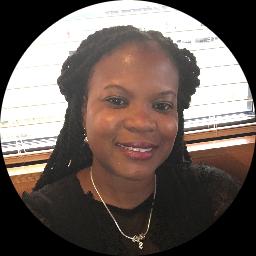
Therapist profile
Selma Smith, LCMHC
- Licensed in North Carolina
- 11 years in practice
- Sessions online
LCMHC - Young adult issues and life transitions
- Addictions support
- Stress and anxiety
- Self esteem work
About Selma
Clients can expect straightforward talk and practical steps. Selma adapts conversations and plans to each person's situation rather than using one fixed method. She pays attention to what is causing distress now and looks for small, manageable changes that make daily life easier.
Her background includes work with people facing family problems, adoption and foster care questions, abandonment, caregiver stress, and first responder challenges. She has also supported those dealing with substance use, domestic violence, dissociation, and the emotional aftermath of disasters.
Sessions cover both immediate coping skills and longer term patterns that keep problems repeating. Selma helps people build confidence, regain motivation, and sort priorities during transitions like starting a job, moving, or returning to school. Practical coping for sleep, stress, and mood are common topics.
She offers a direct, respectful style. Conversations are meant to clarify what matters to the client and to set realistic next steps. To begin, clients use the platform’s matching questionnaire and schedule a first session to discuss goals and plan next steps.
How evidence-based methods translate to online sessions
Many therapists use evidence-based techniques that focus on clear skills and measurable changes. One common approach teaches practical coping skills for anxiety and stress, such as breathing exercises, activity scheduling, and step-by-step plans to reduce avoidance. These tools help with panic, persistent worry, and everyday pressure.Another helpful method looks at patterns in mood and behavior to spot what keeps problems going. That work breaks down big issues into manageable pieces, which can help with depression, bipolar mood swings, or repeated relationship difficulties. These approaches are skills-focused and aim for changes clients can notice in daily life.
Finding the right approach is part of the work. The therapist will collaborate with the client to decide which techniques match their goals, needs, and preferences. That may mean trying a few methods and adjusting as progress is made.
Confirm current session options before booking, since formats are not listed here. Online sessions can make it easier to fit therapy into a busy schedule, reduce travel time, and allow shorter check-ins when that suits the day. If someone needs fewer visual demands, phone or audio options can be helpful, while video sessions allow face-to-face interaction when preferred.
Areas of expertise
Primary focus
Also works with
Additional focus areas
Experience
11+ years
Credentials
North Carolina
Languages
English
Frequently asked questions
What concerns does she address?
She works with addictions, self-esteem, stress and anxiety, coping with life changes, trauma and grief, sleep issues, parenting concerns, career changes, bipolar and depression, ADHD, and related problems.
How does she approach therapy?
Her approach is practical and person-focused. She adapts conversation and plans to fit what the client needs right now.
How much experience does she have?
She has 11 years of professional experience providing mental health support in clinical settings.
What are her credentials and location?
She is an LCMHC licensed in North Carolina and practices there.
Which languages are sessions offered in?
Sessions are offered in English.
Can people outside the country work with her?
She does not accept international clients at this time.
What does therapy cost?
Cost varies with location and sessions use a subscription model that can be canceled at any time.
How do I get started?
Select the See online therapy options button, complete the short matching questionnaire, and schedule a first session.