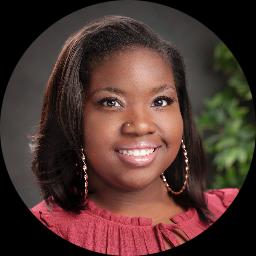
Therapist profile
Whitney McDonald, LCSW
- Licensed in North Carolina
- 3 years in practice
- Sessions online
LCSW - Stress and Relationship Concerns
- Stress and anxiety
- Relationship issues
- Trauma and self-esteem
About Whitney
Her style is direct and practical. Sessions tend to focus on identifying what is most pressing, learning simple coping skills, and making gradual changes that fit day-to-day life. She uses evidence-based therapeutic techniques to help people reduce symptoms and manage difficult moments.
Whitney also helps with related issues such as loneliness, codependency, communication problems, jealousy, grief from divorce or separation, and feelings of guilt or shame. She notes experience supporting people with concerns tied to aging, BDSM and kink culture, and men's issues when those topics come up in therapy.
She offers therapy in English and practices under her North Carolina LCSW credential. Costs vary by location and sessions are provided through a subscription model that can be canceled at any time. International clients are not currently accepted.
To begin, a person selects the online therapy options button, completes a short matching questionnaire, and schedules a first session. Whitney aims to work collaboratively to set practical goals and develop tools clients can use between sessions.
How evidence-based approaches translate to online sessions
Whitney describes her work as grounded in evidence-based therapeutic techniques. Cognitive-Behavioral Therapy focuses on the links between thoughts, feelings, and actions and helps people develop clear skills to manage anxiety and stress. Dialectical Behavioral Therapy offers tools for emotion regulation, distress tolerance, and clearer communication when relationships feel intense or overwhelming.Finding the right approach is part of the work. Whitney collaborates with each person to choose methods that match their goals, needs, and everyday routine. She adapts techniques over time based on what is helpful and practical for the client.
The original biography does not list specific online session formats, so confirm available options before booking. Online sessions can make it easier to fit therapy into a busy schedule, shorten travel time, and allow check-ins during work breaks or between classes. They can also let people use quieter surroundings or lower-bandwidth connections when needed. Confirm the exact session types offered and scheduling details when you begin the matching process.
Areas of expertise
Primary focus
Additional focus areas
Experience
3+ years
Credentials
North Carolina
Languages
English
Frequently asked questions
What kinds of problems does she help with?
She works with stress, anxiety, relationship problems, trauma and abuse, self-esteem, and coping with life changes. Additional areas include codependency, communication problems, and isolation.
What is her therapeutic style like?
Her approach is practical and evidence-based, focusing on coping strategies and short-term tools you can use between sessions. Conversations are straightforward and goal-oriented.
How much clinical experience does she have?
She has three years of experience working as a clinician. That background includes supporting people through relationship and life-transition concerns.
Where does she practice and what credential does she hold?
She is a Licensed Clinical Social Worker (LCSW) in North Carolina. Sessions are offered from that licensed practice location.
Can I work with her if I live outside the United States?
International clients are not currently accepted. Sessions are conducted in English for clients in her permitted jurisdiction.
What session formats are available?
The original biography does not list specific session formats. Please confirm current session options before booking.
How are fees handled?
Cost varies with location and sessions use a subscription model that can be canceled at any time. Exact pricing depends on your location within the stated region.
How do I start working with her?
Select the See online therapy options button, complete the short matching questionnaire, and schedule a first session. That process begins the intake and matching steps.