
Renee Walsh
LCSWArkansas · 5 years in practice
LCSW - Stress and young adult life issues
Stress, Anxiety · Trauma and abuse · Parenting · Anger · +8 more
Read profileTherapist listings are provided by BetterHelp. We will earn a commission at no extra cost to you if you use our links to buy.
This page groups therapist profiles under the listed location Arkansas so you can compare focus areas, professional credentials, approaches, languages, and experience. Use the listings to learn more about each provider and to browse profiles that match the issues you care about. Check the individual profile and confirm the therapist's permission to work with you where you live before contacting them.
Arkansas · 5 years in practice
LCSW - Stress and young adult life issues
Stress, Anxiety · Trauma and abuse · Parenting · Anger · +8 more
Read profile
Arkansas · 18 years in practice
LMFT - Stress and Young Adult issues
Stress, Anxiety · Parenting · Anger · Self esteem · +1 more
Read profile
Arkansas · 28 years in practice
Dr. James Guinee - Psychologist focusing on relationships and life change
Relationship · Grief · Anger · Self esteem · +6 more
Read profile
Arkansas · 7 years in practice
Licensed Professional Counselor - Young adult issues
Stress, Anxiety · Relationship · Self esteem · Depression · +10 more
Read profile
Arkansas · 8 years in practice
LCSW - Young adult issues and mood concerns
Stress, Anxiety · Family · Trauma and abuse · Self esteem · +12 more
Read profile
Arkansas · 13 years in practice
LCSW - Anxiety and Relationship support
Stress, Anxiety · Relationship · Family · Self esteem · +13 more
Read profile
Arkansas · 19 years in practice
LPC counselor - relationships and stress
Stress, Anxiety · Relationship · Family · Self esteem · +1 more
Read profile
Arkansas · 3 years in practice
LPC focused on young adult issues and trauma
Stress, Anxiety · Trauma and abuse · Self esteem · Depression · +1 more
Read profile
Arkansas · 33 years in practice
LPC counselor - relationships and life changes
Relationship · Family · Trauma and abuse · Depression · +1 more
Read profile
Arkansas · 24 years in practice
Licensed Professional Counselor - Young adult issues and trauma
Stress, Anxiety · Trauma and abuse · Anger · Self esteem · +5 more
Read profile
Arkansas · 3 years in practice
LPC in Arkansas - Young adult issues and anxiety
Stress, Anxiety · Relationship · Self esteem · Coping with life changes · +1 more
Read profile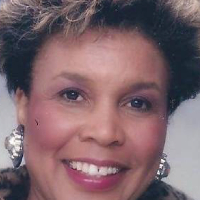
Arkansas · 41 years in practice
Licensed Professional Counselor - Stress and Anxiety
Stress, Anxiety · Grief · Parenting · Self esteem · +6 more
Read profile
Arkansas · 17 years in practice
LCSW in Arkansas - mood and anxiety
Trauma and abuse · Anger · Self esteem · Bipolar · +8 more
Read profile
Arkansas · 10 years in practice
LCSW helping young adults with anxiety and identity
Stress, Anxiety · LGBT · Self esteem · Depression · +13 more
Read profile
Arkansas · 23 years in practice
Licensed Clinical Social Worker - Stress and Anxiety
Stress, Anxiety · Relationship · Anger · Depression · +1 more
Read profile
Arkansas · 20 years in practice
Licensed Professional Counselor - Young adult concerns
Stress, Anxiety · Family · Anger · Self esteem · +8 more
Read profile
Arkansas · 10 years in practice
Dr. Michelle Dobson, LPC - Anxiety and relationship focus
Stress, Anxiety · Parenting · Self esteem · Depression · +12 more
Read profile
Arkansas · 9 years in practice
LCSW - Stress and relationship concerns
Stress, Anxiety · Relationship · Family · Grief · +15 more
Read profile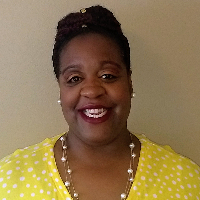
Arkansas · 16 years in practice
LCSW - Stress and Young Adult Issues
Stress, Anxiety · Parenting · Anger · Self esteem · +14 more
Read profile
Arkansas · 9 years in practice
LPC in Arkansas - Stress and Young Adult Issues
Stress, Anxiety · Family · Self esteem · Depression · +13 more
Read profile
Arkansas · 5 years in practice
Licensed counselor - Career and life changes
Stress, Anxiety · Self esteem · Career · Depression · +9 more
Read profile
Arkansas · 6 years in practice
LPC focused on young adult issues and anxiety
Stress, Anxiety · Anger · Depression · Relationship · +7 more
Read profile
Arkansas · 9 years in practice
LPC in Arkansas - Young adult issues and relationships
Stress, Anxiety · Relationship · Depression · Coping with life changes · +1 more
Read profile
Arkansas · 20 years in practice
LCSW - Depression and Anxiety
Stress, Anxiety · Trauma and abuse · Grief · Depression · +1 more
Read profile
Arkansas · 8 years in practice
Licensed Professional Counselor - Young adult issues
Stress, Anxiety · Trauma and abuse · Self esteem · Depression · +7 more
Read profile
Arkansas · 4 years in practice
LPC in Arkansas - addictions and relationships
Addictions · Relationship · Family · Trauma and abuse · +1 more
Read profile
Arkansas · 12 years in practice
LMHP and LPC - Young adult issues and workplace stress
Stress, Anxiety · Trauma and abuse · Grief · Parenting · +10 more
Read profile
Arkansas · 26 years in practice
LCSW - Anxiety and Young Adult issues
Stress, Anxiety · Parenting · Self esteem · Depression · +8 more
Read profile
Arkansas · 9 years in practice
LCSW - Stress and Addictions focus
Stress, Anxiety · Addictions · Trauma and abuse · Grief · +1 more
Read profile
Arkansas · 24 years in practice
Arkansas LPC - stress and family support
Stress, Anxiety · Family · Self esteem · Depression · +3 more
Read profile
Arkansas · 9 years in practice
LPC counselor - stress and anxiety focus
Stress, Anxiety · Family · Self esteem · Depression · +10 more
Read profileYoung adulthood is full of transitions that can feel intense and unsteady. You may be leaving home, navigating college exams, starting your first job, managing money for the first time, figuring out relationships, or sorting through identity questions. Social media and comparison culture can make you feel behind even when your progress is normal. When reviewing profiles, pay attention to how therapists describe the young adult issues they list as a focus. Some profiles will name specific areas such as career decisions, academic stress, identity exploration, relationship challenges, or anxiety about the future. Others may describe broader goals like building coping skills or improving self-confidence. Look for language that fits how you experience your concerns and that signals whether the therapist mentions working with people roughly in the 18 to 30 age range.
Beyond issue labels, consider whether the therapist’s profile includes information about their approach to pacing and collaboration. You are likely to benefit from a therapist who explains how they work with clients to set goals, check in on progress, and adapt strategies over time. Profiles that describe examples of typical topics or client goals can help you imagine what it would be like to work together. Remember that a listed focus is not proof of special certification or guaranteed fit, so use profiles as a starting point for questions and conversations.
The directory groups profiles under the listed location Arkansas, but that grouping alone does not establish whether a therapist maintains an office in Arkansas or is authorized to provide care there. Profiles may indicate a base location, a region they work with, or that they offer remote services. You should always check the individual profile for details about where a therapist states they can work and then confirm permission to work together where you live. This is especially important if you plan to receive care across state or national borders.
Profiles often list academic degrees and professional credentials, and it helps to understand the difference. Degrees like PhD, PsyD, MD, MA, and MSW describe academic training but do not by themselves establish legal permission to practice in a given place. Professional licenses, registrations, or memberships indicate the regulatory or professional framework within which a clinician may practice. In the United States you will commonly see state licenses such as LCSW, LPC, LMFT, or equivalent designations. In the United Kingdom and Australia, therapists may list professional registration or membership with national bodies rather than a US-style license. Profiles should be read with both kinds of information in mind: note the degree as a sign of academic background and note any licensing or registration statements as the claim about regulated practice. If a profile does not make clear where a therapist is permitted to work, ask directly so you know whether they can ethically and legally offer care to you where you live.
When you find profiles that feel relevant, prepare questions that help you compare style and experience. Ask whether the therapist typically works with people in your age range and whether they have experience with the life transitions you face, such as leaving home, academic pressure, new workplace dynamics, or identity exploration. If a profile lists therapeutic approaches like cognitive behavioral therapy, psychodynamic approaches, mindfulness, or somatic methods, you can ask how those approaches typically show up in sessions and what a typical course of work might involve. Avoid assuming that a listed approach equates to a particular training level; instead, ask how the therapist uses that approach in practice and what they find helpful for problems like yours.
It can also be useful to ask about cultural competence and lived experience. If language, cultural background, religion, sexual orientation, or gender identity matter to you, ask whether the therapist has experience working with those aspects of identity and how they incorporate them into care. Inquire about the populations the therapist describes on their profile - for example, whether they indicate experience with LGBTQ+ young adults, first-generation students, or people navigating immigration, work visas, or family expectations. Clear, direct questions will give you a better sense of whether the therapist’s listed experience aligns with your needs.
If you are considering remote care, there are practical and ethical points to cover before beginning. Confirm the geographic areas where the therapist is authorized to practice and ask how they handle situations that require in-person contact. Discuss how the therapist approaches privacy and data handling for remote sessions, what technology platforms they use, and what steps they expect you to take to ensure a quiet space for sessions when needed. Talk about what will happen in an immediate crisis - who you should contact locally and how the therapist coordinates crisis planning, since laws and emergency services differ by location. If you are experiencing thoughts of self-harm or are in imminent danger, contact local emergency services or a crisis line right away.
You should also ask about logistical matters that matter to you, such as typical session length, how progress is discussed, and how the therapist handles cancellations or breaks. While profiles may summarize a therapist’s general style, these practical discussions will clarify expectations and help you decide whether the working relationship is a good fit for your schedule, comfort with technology, and the kinds of support you want.
Comparing profiles is a process of narrowing possibilities into a short list of therapists you want to contact. Look first at the focus areas each therapist lists and read the descriptive language they use. A profile that names concrete concerns similar to yours - such as workplace stress, exam anxiety, or relationship patterns - will often make it easier to imagine working with that clinician. Next, check for information about languages spoken and cultural competence if that matters to you. Language match can shape how you express complex feelings and can be an important factor for many young adults.
Assess credentials by separating degrees from licenses or registrations. A degree tells you about training but does not indicate the current legal permission to practice in your jurisdiction. A license, registration, or professional membership can indicate the regulatory status you need to verify. Finally, consider the tone and style the therapist communicates in their profile. Some profiles emphasize practical skill-building and structured goals, while others highlight exploration, relationship patterns, or trauma-informed perspectives. Think about what approach would feel most helpful for your concerns and use the profile language to generate questions you can ask directly. After reviewing profiles, reach out to those you want to learn more about and confirm where the therapist can work with you, whether they list the kinds of experience you need, and how they describe working with young adults like you.
Using the profiles on this page as a starting point will help you make informed comparisons and prepare the questions that matter most to you. Remember that a listed topic on a profile does not by itself establish a therapist’s current scope or authorization to practice. Always check the individual profile and confirm permission to work together where you live before beginning care.
Addictions
2229 therapists
ADHD
2370 therapists
Anger
3095 therapists
Autism
1103 therapists
Bipolar
1884 therapists
Depression
4666 therapists
Eating Disorders
1129 therapists
Grief
3367 therapists
Guilt and Shame
3688 therapists
Intimacy Issues
2109 therapists
Isolation / Loneliness
3561 therapists
OCD
1509 therapists
Panic Disorder and Panic Attacks
2654 therapists
Post-Traumatic Stress
3010 therapists
Self Esteem
4664 therapists
Self-Harm
2077 therapists
Sleeping Disorders
1194 therapists
Social Anxiety and Phobia
3467 therapists
Stress & Anxiety
5191 therapists
Trauma and Abuse
3797 therapists
Abandonment
2382 therapists
Attachment Issues
2751 therapists
Body Image
1994 therapists
Career
2628 therapists
Codependency
2120 therapists
Commitment Issues
1900 therapists
Communication Problems
4143 therapists
Coping with Life Changes
4234 therapists
Family
3531 therapists
Jealousy
1817 therapists
Life Purpose
3808 therapists
Money and Financial Issues
1473 therapists
Relationship
4088 therapists
Self-Love
4078 therapists
Workplace Issues
2998 therapists