
T’Mera Mitchell
LICSWDistrict of Columbia · 6 years in practice
LICSW - Stress and relationship concerns
Stress, Anxiety · Relationship · Self esteem · Depression · +1 more
Read profileTherapist listings are provided by BetterHelp. We will earn a commission at no extra cost to you if you use our links to buy.
Browse profiles grouped under the listed location District of Columbia to compare focus areas, therapeutic approaches, credentials and languages. Use these details to narrow who you might contact and prepare the questions that matter to you. Check each profile and confirm directly that the clinician has permission to work with you where you live before reaching out.
District of Columbia · 6 years in practice
LICSW - Stress and relationship concerns
Stress, Anxiety · Relationship · Self esteem · Depression · +1 more
Read profile
District of Columbia · 15 years in practice
Licensed therapist - Stress and relationships
Stress, Anxiety · Relationship · Grief · Self esteem · +1 more
Read profile
District of Columbia · 5 years in practice
LICSW - Stress and relationship concerns
Stress, Anxiety · Relationship · Family · Self esteem · +11 more
Read profile
District of Columbia · 20 years in practice
LICSW LCSW - Addictions and Trauma
Addictions · LGBT · Trauma and abuse · Depression · +12 more
Read profile
District of Columbia · 9 years in practice
LPC - Stress and Young Adult Issues
Stress, Anxiety · Relationship · Self esteem · Depression · +1 more
Read profile
District of Columbia · 14 years in practice
LICSW - Young adult issues and trauma care
Stress, Anxiety · Trauma and abuse · Grief · Career · +8 more
Read profile
District of Columbia · 30 years in practice
LICSW - Young adult stress and relationships
Stress, Anxiety · Relationship · Self esteem · Depression · +12 more
Read profile
District of Columbia · 6 years in practice
Licensed clinical social worker - Young adult concerns
Stress, Anxiety · Depression · Coping with life changes · LGBT · +13 more
Read profile
District of Columbia · 22 years in practice
Licensed Professional Counselor - Relationships and Young Adult concerns
Relationship · Family · Parenting · Anger · +5 more
Read profile
District of Columbia · 8 years in practice
Licensed counselor - Trauma and Bipolar
Trauma and abuse · Bipolar
Read profile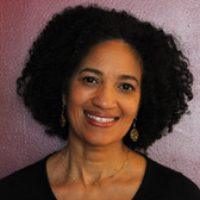
District of Columbia · 29 years in practice
LICSW counselor - Young adult issues and anxiety
Stress, Anxiety · Relationship · Trauma and abuse · Self esteem · +11 more
Read profile
District of Columbia · 35 years in practice
LPC and LMFT - Stress and Relationships
Stress, Anxiety · Relationship · Family · Self esteem · +1 more
Read profileIn the years between about 18 and 30 you may find many life transitions converging at once - leaving home, finishing degrees, starting a first job, navigating new relationships, and making financial decisions that feel permanent. You might also notice identity questions intensifying as you compare your path to peers on social media and feel like you are falling behind. These are common themes for people in young adulthood, and you can look for clinicians who list these areas among their focus topics when scanning profiles.
When you open a profile, consider how the therapist describes their experience with issues like academic stress and exam anxiety, workplace adjustment, money-related stress, relationship communication, and identity development. The way a clinician talks about these concerns can indicate whether they have worked with people in transitional phases similar to yours. If low mood or anxiety has become overwhelming or includes thoughts of harming yourself, get immediate help from local emergency services or your country’s crisis line before searching further. Therapy can be an important resource, but urgent risks require prompt contact with emergency responders or crisis services.
This page groups profiles under the listed location District of Columbia, but the presence of a profile here does not itself prove an office address or current permission to practice where you live. Profiles may list a base city or service area, and some clinicians work across jurisdictions. You should check the individual profile and confirm directly whether the clinician has permission to work with you in your state, territory or country before making any commitments.
Credentials on profiles can include academic degrees such as PhD, PsyD, MD, MA or MSW as well as professional qualifications. An academic degree describes the level of study someone completed, but a degree alone does not establish current permission to practice. In the United States clinicians may hold state licenses; in the United Kingdom professionals may be registered with professional bodies; and in Australia practitioners may hold membership or registration with relevant organizations. Pay attention to the way credentials are described on a profile, and ask the clinician to clarify what those credentials mean for their ability to provide care in your location.
When a profile lists therapeutic approaches, treat those as options to explore in conversation rather than guarantees of a specific outcome. You might ask how the clinician typically works with people in early adulthood, and request examples of the kinds of goals past clients have pursued. Concrete questions can include asking how sessions are structured, what the clinician sees as realistic short-term goals, and how they tailor their work for issues like academic stress or early career uncertainty. If a profile mentions approaches such as EMDR among the approaches the clinician uses, you can ask how that approach might apply to your particular situation and what kind of training or experience they have in applying it.
Also ask about the clinician’s experience with concerns that matter to you, such as identity development, navigating long-distance relationships, managing financial anxiety, or coping with social media-related comparison. You can invite the clinician to describe a typical early session with someone who shares your priorities, and to explain how they measure progress. These kinds of questions help you evaluate whether the clinician’s style and reported focus areas match your expectations without assuming any particular modality is used with every client.
If you are considering remote work with a clinician who lists the District of Columbia as a listed location or who offers online sessions, clarify jurisdictional permissions and practical details before beginning. Ask whether the clinician is permitted to provide care to people in your state, province or country, and what documentation or consent they require. Discuss how they handle emergencies or risk concerns that may arise during remote sessions, and agree in advance how you will contact local emergency services if needed. It is reasonable to ask how they will maintain appointments if technical problems occur and what alternatives are available.
You should also talk about communication norms - how the clinician prefers to exchange messages between sessions, what constitutes urgent versus routine contact, and any boundaries around response times. If privacy of your environment matters to you, discuss where they recommend you set up your space so you can speak openly, and whether they have suggestions for managing interruptions. These practical questions help you know what to expect and whether the clinician’s approach to online care fits your needs and daily life.
When you are comparing profiles, look beyond a headline and read how a clinician describes their work in paragraphs. Focus areas tell you what topics the clinician commonly addresses, while languages listed on a profile indicate whether you can speak in the language that feels most natural to you. Consider credentials and academic degrees as one piece of the picture and ask for clarification about professional registration or licensing relevant to your location. If the directory includes clinicians from the United States, United Kingdom and Australia, you may see different terminology for permissions and memberships - feel free to ask a clinician to explain what their credentials mean in practice.
Style and fit are often the deciding factors. Some clinicians describe a more directive approach aimed at building specific skills, while others emphasize reflective exploration and meaning-making. Read examples on profiles that describe how they work with young adults and use those descriptions to form a short list of questions about pacing, homework or in-session focus. You might wonder whether a clinician tends to focus on symptom relief, broader life meaning, or practical coping strategies; asking for examples of recent goals they’ve helped people pursue can give you clarity without requiring technical knowledge of therapy modalities.
Finally, treat profiles as starting points for a conversation. Use the details you find to prepare specific, concrete questions and to set expectations about logistics and permissions. Confirm directly that the clinician can work with you where you live and talk openly about what you hope to get from therapy. Making targeted comparisons across focus areas, languages, credentials and style will help you decide which profiles to contact and what to ask in an initial conversation.
Addictions
2229 therapists
ADHD
2370 therapists
Anger
3095 therapists
Autism
1103 therapists
Bipolar
1884 therapists
Depression
4666 therapists
Eating Disorders
1129 therapists
Grief
3367 therapists
Guilt and Shame
3688 therapists
Intimacy Issues
2109 therapists
Isolation / Loneliness
3561 therapists
OCD
1509 therapists
Panic Disorder and Panic Attacks
2654 therapists
Post-Traumatic Stress
3010 therapists
Self Esteem
4664 therapists
Self-Harm
2077 therapists
Sleeping Disorders
1194 therapists
Social Anxiety and Phobia
3467 therapists
Stress & Anxiety
5191 therapists
Trauma and Abuse
3797 therapists
Abandonment
2382 therapists
Attachment Issues
2751 therapists
Body Image
1994 therapists
Career
2628 therapists
Codependency
2120 therapists
Commitment Issues
1900 therapists
Communication Problems
4143 therapists
Coping with Life Changes
4234 therapists
Family
3531 therapists
Jealousy
1817 therapists
Life Purpose
3808 therapists
Money and Financial Issues
1473 therapists
Relationship
4088 therapists
Self-Love
4078 therapists
Workplace Issues
2998 therapists