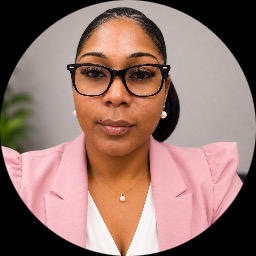
Trisha Smith-Gomes
LCSWFlorida · 15 years in practice
Licensed Clinical Social Worker - Stress and Young Adult Issues
Stress, Anxiety · Parenting · Anger · Self esteem · +1 more
Read profileTherapist listings are provided by BetterHelp. We will earn a commission at no extra cost to you if you use our links to buy.
This page groups profiles under the listed location Florida so you can compare what different therapists note about their focus areas, approaches, credentials and languages. Browse the profiles to learn more and check each listing to confirm a therapist's permission to work with you where you live.
Florida · 15 years in practice
Licensed Clinical Social Worker - Stress and Young Adult Issues
Stress, Anxiety · Parenting · Anger · Self esteem · +1 more
Read profile
Florida · 35 years in practice
Florida LMHC - Young adult and relationships
Relationship · Trauma and abuse · Grief · Self esteem · +8 more
Read profile
Florida · 6 years in practice
Florida LMHC - Stress and Trauma
Stress, Anxiety · Family · Trauma and abuse · Self esteem · +1 more
Read profile
Florida · 5 years in practice
LCSW - Stress and young adult issues
Stress, Anxiety · Addictions · Grief · Self esteem · +8 more
Read profile
Florida · 8 years in practice
Licensed Clinical Social Worker - young adult concerns
Stress, Anxiety · Relationship · Self esteem · Depression · +14 more
Read profile
Florida · 22 years in practice
LCSW - Anxiety and Addictions
Stress, Anxiety · Addictions · Self esteem · Depression
Read profile
Florida · 12 years in practice
LCSW - Anxiety and Parenting
Stress, Anxiety · Parenting · Self esteem · Coping with life changes · +8 more
Read profile
Florida · 9 years in practice
LCSW - Stress and Young Adult Issues
Stress, Anxiety · Trauma and abuse · Parenting · Self esteem · +1 more
Read profile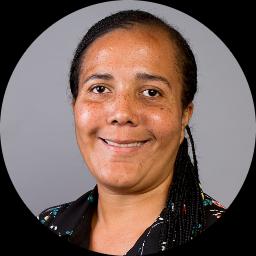
Florida · 11 years in practice
Licensed Clinical Social Worker - Young adult issues
Stress, Anxiety · Family · Grief · Self esteem · +8 more
Read profile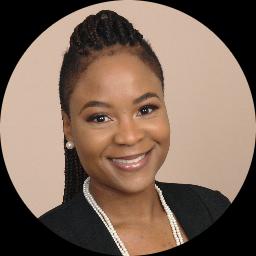
Florida · 8 years in practice
Licensed Mental Health Counselor - Stress and Anxiety
Stress, Anxiety · Trauma and abuse · Depression · Relationship · +5 more
Read profile
Florida · 8 years in practice
Licensed Clinical Social Worker - Young adult issues
Stress, Anxiety · Family · Trauma and abuse · Self esteem · +7 more
Read profile
Florida · 6 years in practice
LCSW - Young adult issues and relationships
Stress, Anxiety · Trauma and abuse · Self esteem · Career · +12 more
Read profile
Florida · 11 years in practice
LMHC - Stress and young adult issues
Stress, Anxiety · Family · Trauma and abuse · Self esteem · +13 more
Read profile
Florida · 5 years in practice
Licensed Clinical Social Worker - young adult issues
Stress, Anxiety · Self esteem · Coping with life changes · ADHD · +3 more
Read profile
Florida · 26 years in practice
LMFT - young adult issues and family concerns
Stress, Anxiety · Relationship · Family · Parenting · +9 more
Read profile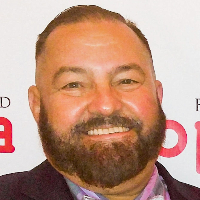
Florida · 32 years in practice
Dr. Moises Ramy - LMHC, Stress and Relationship Concerns
Stress, Anxiety · Relationship · Trauma and abuse · Bipolar · +8 more
Read profile
Florida · 25 years in practice
LMHC in Florida - stress and young adult issues
Stress, Anxiety · Trauma and abuse · Grief · Self esteem · +1 more
Read profile
Florida · 24 years in practice
LMHC - Stress and Young Adult Issues
Stress, Anxiety · Relationship · Family · Self esteem · +1 more
Read profile
Florida · 13 years in practice
LCSW - Young adult stress and relationships
Stress, Anxiety · Relationship · Trauma and abuse · Self esteem · +4 more
Read profile
Florida · 15 years in practice
LMHC - Stress and Young Adult Issues
Stress, Anxiety · Anger · Self esteem · Coping with life changes · +1 more
Read profile
Florida · 5 years in practice
Licensed Mental Health Counselor - Young adult issues
Stress, Anxiety · Self esteem · Coping with life changes
Read profile
Florida · 24 years in practice
Licensed Clinical Social Worker - Stress and Family
Stress, Anxiety · Family · Grief · Parenting · +1 more
Read profile
Florida · 5 years in practice
Dr. Ravyn Rooney, LCSW - Stress and Young Adult Issues
Stress, Anxiety · Relationship · Grief · Self esteem · +5 more
Read profile
Florida · 30 years in practice
Licensed Clinical Social Worker - Stress and Relationships
Stress, Anxiety · Relationship · Family · Parenting · +6 more
Read profile
Florida · 5 years in practice
Licensed Mental Health Counselor - Young adult concerns
Stress, Anxiety · LGBT · Relationship · Trauma and abuse · +1 more
Read profile
Florida · 9 years in practice
LMHC - Young adult stress and relationships
Stress, Anxiety · Family · Parenting · Anger · +11 more
Read profile
Florida · 8 years in practice
Licensed Mental Health Counselor - Young adult concerns
Stress, Anxiety · Trauma and abuse · Parenting · Self esteem · +11 more
Read profile
Florida · 15 years in practice
Licensed Mental Health Counselor - Young adult issues
Stress, Anxiety · Trauma and abuse · Self esteem · Depression · +11 more
Read profile
Florida · 9 years in practice
Licensed Mental Health Counselor - Anxiety and Life Changes
Stress, Anxiety · Trauma and abuse · Parenting · Depression · +10 more
Read profile
Florida · 8 years in practice
Florida LMHC - Stress and relationships
Stress, Anxiety · Relationship · Family · Parenting · +1 more
Read profile
Florida · 24 years in practice
LMHC clinician - stress and life changes
Stress, Anxiety · Grief · Depression · Coping with life changes · +13 more
Read profile
Florida · 5 years in practice
LCSW - stress and anxiety focus
Stress, Anxiety · Addictions · Trauma and abuse · Grief · +1 more
Read profile
Florida · 10 years in practice
Licensed Mental Health Counselor - Young adult issues
Stress, Anxiety · Addictions · Relationship · Anger · +7 more
Read profile
Florida · 6 years in practice
Florida LMHC - Young adult issues and family stress
Stress, Anxiety · Family · Parenting · Coaching · +2 more
Read profile
Florida · 20 years in practice
Florida LMHC - Young adult issues
Stress, Anxiety · Intimacy-related issues · Self esteem · Compassion fatigue · +7 more
Read profile
Florida · 4 years in practice
LCSW - Young adult issues and relationships
Grief · Self esteem · Stress, Anxiety · Relationship · +4 more
Read profileAs you leave home, start higher education or a first job, manage money, navigate relationships and sort out identity, your emotional needs can shift quickly. In Florida you may be balancing campus life, seasonal work, family expectations and a sense of falling behind when you compare yourself to others online. When reading profiles, look for clinicians who list experience with transitions, academic stress, workplace stress, identity exploration, social media-related distress and relationship concerns. Those focus areas do not guarantee a fit, but they signal that the therapist has chosen to highlight those topics.
Think in terms of what matters most to you right now. Do you want help with practical skills for time management and exam anxiety, support for negotiating boundaries with family, or someone who understands the emotional impact of comparison on social media? You might also weigh whether a therapist lists experience with career decision making, financial anxiety or identity development. Concrete phrasing in a profile - such as mention of college transition, first-job stress or identity exploration - can help you narrow your search. If low mood includes thoughts of self-harm, call local emergency services or a crisis line immediately; profiles and directory listings are not a substitute for immediate help.
The listing groups profiles under the listed location Florida, but that grouping is not evidence of an office, physical proximity, eligibility for every resident, or that a professional holds an active license in Florida. You should open each profile and confirm whether the person states they have permission to work with people where you live. Profiles note degrees such as PhD, PsyD, MD, MA or MSW. An academic degree describes education and is separate from professional permission to practise. In the United States look for mention of a current state license; in the United Kingdom and Australia look for references to registration or professional membership that indicate the clinician is part of a national regulator or professional body. Degree titles do not by themselves establish current permission to practice where you live.
Because the directory includes professionals from the US, UK and Australia, be mindful of differences in terminology. A degree followed by a listed license, registration or membership is a clearer signal that a profile contains both educational and professional information. Always verify those details directly on the profile and during an initial conversation before deciding whether to move forward.
When you contact someone whose profile interests you, have a few direct questions ready so you can compare how therapists describe their practice. Ask whether they have worked with people facing the kinds of transitions you are experiencing, and ask for examples of what support might look like in early sessions. Inquire which approaches they list and how those approaches are used in sessions - for example, ask what a therapist who lists cognitive-behavioral approaches or psychodynamic concepts generally focuses on with young adults. Remember that a profile note about an approach is not evidence of specialized certification, it is a prompt for inquiry.
Other useful questions include asking how they describe progress or goals in therapy, whether they have experience helping people manage social media-related distress or performance pressure, and how they tailor work for identity exploration. You can also ask whether they work with particular life-stage issues such as leaving home, exam stress, navigating early-career transitions or relationship instability. Concrete examples in a therapist's answer can help you decide whether their style and experience match your needs.
If you are considering online care, discuss practical and safety-related topics up front. Confirm that the therapist has permission to provide care to people in your state or country and ask how they handle situations that require local emergency response. Talk about time zone differences and how scheduling will be managed so you both have clear expectations. Ask what the preferred communication methods are for non-session contact and whether there are limits on that type of communication.
It is reasonable to ask about information-sharing boundaries policies and consent processes without assuming a specific legal framework. Ask about cancellation and fee policies so there are no surprises, and whether they have a plan they follow if you experience an urgent crisis between sessions. Discussing these topics before you start gives you information to compare profiles on practical grounds and reduces uncertainty so you can focus on the therapeutic work itself.
Comparing profiles effectively means reading beyond headlines to the details. Look at the focus areas a therapist lists and notice whether those are described with examples or client age ranges. A profile that mentions young adult transitions together with examples such as exam anxiety or first-job stress can help you assess fit. Check which languages are listed if speaking in your preferred language matters to you, and consider what cultural or regional experience the therapist mentions that may be relevant to your life in Florida.
Compare credentials by separating degrees from professional permission. A listing of a degree such as MA or MSW combined with a clearly stated state license, UK registration or Australian membership gives you two different pieces of information to weigh. Read how the therapist describes their therapeutic style - do they emphasize collaborative problem solving, reflective exploration, skills training or narrative work? Then ask concrete follow-up questions like: How might a first session go? What kinds of steps could we take in the first four sessions? Which issues do you typically help people prioritize? Those questions will reveal how a profile's language maps onto actual practice and whether that style feels like a fit for you.
Finally, remember that a therapist listing young adult issues among their focus areas is not evidence of specialist certification, a particular outcome, or guaranteed suitability for your situation. Use profiles to gather questions, compare stated experience and style, confirm permission to work where you live, and then reach out to a few people whose profiles resonate. Trust your judgment about who you feel comfortable talking to, and take steps that feel manageable as you explore support in Florida.
Addictions
2229 therapists
ADHD
2370 therapists
Anger
3095 therapists
Autism
1103 therapists
Bipolar
1884 therapists
Depression
4666 therapists
Eating Disorders
1129 therapists
Grief
3367 therapists
Guilt and Shame
3688 therapists
Intimacy Issues
2109 therapists
Isolation / Loneliness
3561 therapists
OCD
1509 therapists
Panic Disorder and Panic Attacks
2654 therapists
Post-Traumatic Stress
3010 therapists
Self Esteem
4664 therapists
Self-Harm
2077 therapists
Sleeping Disorders
1194 therapists
Social Anxiety and Phobia
3467 therapists
Stress & Anxiety
5191 therapists
Trauma and Abuse
3797 therapists
Abandonment
2382 therapists
Attachment Issues
2751 therapists
Body Image
1994 therapists
Career
2628 therapists
Codependency
2120 therapists
Commitment Issues
1900 therapists
Communication Problems
4143 therapists
Coping with Life Changes
4234 therapists
Family
3531 therapists
Jealousy
1817 therapists
Life Purpose
3808 therapists
Money and Financial Issues
1473 therapists
Relationship
4088 therapists
Self-Love
4078 therapists
Workplace Issues
2998 therapists