
Amber Presbury
LPCSouth Carolina · 5 years in practice
Licensed Professional Counselor - Anxiety and Young Adult issues
Stress, Anxiety · Trauma and abuse · Grief · Self esteem · +1 more
Read profileTherapist listings are provided by BetterHelp. We will earn a commission at no extra cost to you if you use our links to buy.
Search profiles of clinicians listed for South Carolina who note young adulthood among their focus areas. You can compare focus areas, credentials, languages and therapeutic style before you reach out.
Browse the listings below and click any profile to read details. Always check the individual profile and confirm the clinician has permission to work with you where you live.
South Carolina · 5 years in practice
Licensed Professional Counselor - Anxiety and Young Adult issues
Stress, Anxiety · Trauma and abuse · Grief · Self esteem · +1 more
Read profile
South Carolina · 5 years in practice
Licensed Professional Counselor - Young adult and anxiety support
Stress, Anxiety · Self esteem · Depression · Coping with life changes · +9 more
Read profile
South Carolina · 6 years in practice
LPC counselor - young adult issues and anxiety
Stress, Anxiety · Relationship · Trauma and abuse · Self esteem · +9 more
Read profile
South Carolina · 5 years in practice
Licensed Professional Counselor - Young adult issues
Stress, Anxiety · Trauma and abuse · Self esteem · Depression · +1 more
Read profile
South Carolina · 8 years in practice
LCSW therapist - young adult and life transitions
Stress, Anxiety · LGBT · Trauma and abuse · Anger · +15 more
Read profile
South Carolina · 16 years in practice
LISW-CP in South Carolina - Young adult issues
Stress, Anxiety · Relationship · Family · Self esteem · +10 more
Read profile
South Carolina · 8 years in practice
LISW-CP - Young adult issues and trauma
Stress, Anxiety · Relationship · Trauma and abuse · Self esteem · +1 more
Read profile
South Carolina · 9 years in practice
Licensed social worker - young adult concerns
Stress, Anxiety · Relationship · Grief · Anger · +8 more
Read profile
South Carolina · 4 years in practice
Licensed counselor - Young adult issues
Stress, Anxiety · Relationship · Family · Parenting · +1 more
Read profile
South Carolina · 5 years in practice
LCSW counselor - Young adult concerns
Stress, Anxiety · Relationship · Trauma and abuse · Anger · +1 more
Read profile
South Carolina · 3 years in practice
Licensed Professional Counselor - Young adult issues, relationships
Stress, Anxiety · Relationship · Trauma and abuse · Self esteem · +1 more
Read profile
South Carolina · 5 years in practice
LPC focused on anxiety and relationships
Stress, Anxiety · Relationship · Family · Grief · +1 more
Read profile
South Carolina · 10 years in practice
LCSW and LISW-CP - Young adult issues
Stress, Anxiety · Addictions · Trauma and abuse · Sleeping · +8 more
Read profile
South Carolina · 3 years in practice
Licensed counselor - Young adult issues
Stress, Anxiety · Addictions · Grief · Self esteem · +10 more
Read profile
South Carolina · 3 years in practice
Licensed Professional Counselor - Stress and Young Adult Issues
Stress, Anxiety · Depression · Coping with life changes · ADHD · +5 more
Read profile
South Carolina · 4 years in practice
Licensed Professional Counselor - Stress and Anxiety
Stress, Anxiety · Grief · Self esteem · Depression · +2 more
Read profile
South Carolina · 4 years in practice
Licensed social worker - Young adult concerns
Stress, Anxiety · Trauma and abuse · Self esteem · Depression · +1 more
Read profile
South Carolina · 28 years in practice
LPC - Stress and Young Adult Issues
Stress, Anxiety · Addictions · Trauma and abuse · Self esteem · +1 more
Read profile
South Carolina · 5 years in practice
South Carolina LISW-CP - Young adult issues and more
Stress, Anxiety · Family · Trauma and abuse · Parenting · +6 more
Read profile
South Carolina · 3 years in practice
LPC counselor - Anxiety and life changes
Stress, Anxiety · Self esteem · Depression · Coping with life changes
Read profile
South Carolina · 8 years in practice
Licensed Professional Counselor - young adult and trauma work
Stress, Anxiety · Relationship · Family · Trauma and abuse · +12 more
Read profile
South Carolina · 5 years in practice
LCSW and LISW-CP - Stress and relationships
Stress, Anxiety · Relationship · Self esteem · Depression · +1 more
Read profile
South Carolina · 20 years in practice
Licensed counselor - Stress and Anxiety
Stress, Anxiety · Trauma and abuse · Anger · Self esteem · +10 more
Read profile
South Carolina · 9 years in practice
Dr. Lonnie Erskine - LPC, young adult concerns
Trauma and abuse · Grief · Parenting · Self esteem · +12 more
Read profile
South Carolina · 25 years in practice
Licensed Professional Counselor - Young adult issues and trauma
Stress, Anxiety · LGBT · Relationship · Trauma and abuse · +9 more
Read profile
South Carolina · 11 years in practice
Licensed Professional Counselor - Young adult issues, relationships
Stress, Anxiety · Relationship · Self esteem · Depression · +9 more
Read profile
South Carolina · 10 years in practice
Licensed Professional Counselor - Young adult issues
Stress, Anxiety · Relationship · Parenting · Self esteem · +13 more
Read profile
South Carolina · 6 years in practice
Licensed Professional Counselor - Young adult issues
Stress, Anxiety · Relationship · Anger · Self esteem · +8 more
Read profile
South Carolina · 24 years in practice
Licensed Professional Counselor - Young adult issues and anxiety
Stress, Anxiety · Self esteem · Career · Depression · +5 more
Read profile
South Carolina · 13 years in practice
Dr. Raven Neal, LISW-CP - Young adult and family issues
Stress, Anxiety · Family · Parenting · Self esteem · +10 more
Read profile
South Carolina · 22 years in practice
LPC - Young adult issues and addictions
Stress, Anxiety · Addictions · Self esteem · Depression · +8 more
Read profile
South Carolina · 30 years in practice
LPC counselor - stress and young adult issues
Stress, Anxiety · Parenting · Self esteem · Depression · +4 more
Read profile
South Carolina · 3 years in practice
Licensed counselor - Anxiety and relationships
Stress, Anxiety · Parenting · Anger · Self esteem · +10 more
Read profile
South Carolina · 4 years in practice
LPC counselor - relationships and trauma
Relationship · Trauma and abuse · Parenting · Self esteem · +1 more
Read profile
South Carolina · 13 years in practice
Licensed Professional Counselor - Stress and Anxiety
Stress, Anxiety · Parenting · Anger · Coping with life changes · +10 more
Read profile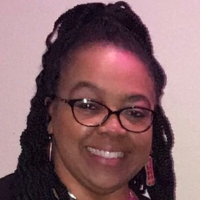
South Carolina · 25 years in practice
Licensed Professional Counselor - Stress and Relationships
Stress, Anxiety · Addictions · Relationship · Family · +9 more
Read profileYoung adulthood is a time of repeated transitions - leaving home, navigating higher education or starting a first job, handling money for the first time, forming serious relationships, and sorting out identity in a landscape shaped by social media. When you search for a clinician who lists young adulthood as a focus, you are looking for someone who recognizes this cluster of life tasks and the particular stresses that can accompany them. That does not mean every profile will reflect the same experience or that a listed focus is a certification. Instead, it signals that the clinician has chosen to highlight common issues faced by people roughly aged 18 to 30. As you read profiles, pay attention to how each clinician describes the topics they work with and the examples they give. Those descriptions can help you find someone who names concerns similar to yours, whether you are dealing with exam stress, career uncertainty, social comparison, or the slow work of figuring out values and priorities.
You should also be mindful that people within this age range want different things from support. Some want practical strategies for managing anxiety around tests or interviews. Others want a reflective space to explore identity, relationships, or family patterns. Look for language in profiles that matches the kind of engagement you prefer - whether that is pragmatic, insight-oriented, skills-based, or somewhere in between. If you are experiencing very low mood or thoughts of self-harm, contact emergency services or a local crisis line right away instead of waiting to arrange routine care.
The directory groups profiles under a listed location of South Carolina, but that grouping does not automatically mean a clinician has an office in every city, holds a particular license, or that they are permitted to work with you in your exact jurisdiction. Profiles are a starting point for comparison. When you open a profile, look for clear statements about where the clinician is authorized to practise and what kind of professional permission they hold. Academic degrees such as PhD, PsyD, MD, MA or MSW describe educational qualifications. Degrees are not the same as a license or registration. In the United States, clinicians commonly hold state-issued licenses that regulate practice. Clinicians in the United Kingdom and Australia often refer to national registration or membership in a professional body rather than a US-style state license. A degree plus membership or registration can mean different things in different systems, so the most useful next step is to ask the clinician directly about their current permission to practise in your area.
When you read a profile, look for precise language - whether the clinician lists a state license, a country registration, or the professional body they belong to. If that information is not on the profile, plan to ask for it before beginning any work together. Also note that listing a focus on young adulthood does not demonstrate specialisation by default; it simply indicates an area the clinician has chosen to highlight. Confirming scope of practice, the age range they work with, and any limits to what they will address helps you choose someone whose documented experience aligns with your needs.
Profiles often list therapeutic approaches and topics, but those listings are options to discuss rather than guarantees of training or outcomes. When you contact a clinician, consider asking direct, concrete questions that reveal how they would approach your concerns. Ask whether they routinely work with people in the 18 to 30 age range and how they describe their experience with issues that matter to you - leaving home, career and academic stress, dating and breakups, money anxiety, or social media comparison. You can ask what a typical early session would look like for someone with your priorities and which goals you might expect to set together.
It is also useful to ask how they adapt their approach for transitions common in young adulthood, and whether they work more skills-focused or exploration-focused. If a profile lists approaches such as cognitive-behavioural tools, acceptance-based work, psychodynamic ideas, or mindfulness, frame your question about how those approaches might be used in your situation - for example, "How might you use skills work to manage exam anxiety?" or "How do you work with identity questions over several months?" Resist assuming that a listed approach equals a certification or extensive experience; instead, ask for examples of how they have helped clients address comparable concerns. Concrete examples of what they do in early sessions will help you assess whether their style fits your needs.
If you are considering remote sessions, it is important to discuss practical and safety issues before you begin. Confirm whether the clinician has permission to work with people in the place where you live and what that means for any legal, ethical or emergency responsibilities. Ask about the platform or method they prefer for sessions and what to do if technical problems interrupt a meeting. Clarify how they handle after-hours contact and what steps they expect you to take if you need immediate help. A good opening conversation will cover whether they have a local crisis plan, which emergency services you should contact in your location, and how they will document safety concerns.
You should also talk about timing and boundaries - how you will schedule sessions across time zones, what you can expect about response times between meetings, and the clinician's policies on rescheduling or missed sessions. Because laws and professional rules about cross-jurisdiction practice vary, it is reasonable to ask the clinician to explain how they ensure they are permitted to provide remote care to someone where you live. This is a practical matter, not a judgment about clinical skill. Asking these questions early helps you set clear expectations around logistics and safety so you can focus on the content of therapy when you begin.
When comparing profiles, read descriptions across several dimensions rather than relying on a single label. Focus areas tell you what a clinician highlights, but pay attention to the language they use about those areas - whether they describe examples of work, common goals they help with, or the kinds of challenges they see most often. If language access matters to you, look for profiles that list the languages a clinician speaks and the cultural or community experience they bring. That information can be especially important when you want someone who understands migration, family expectations, or cultural perspectives on mental health.
Credentials are a helpful signal but read them carefully. Degrees indicate training, whereas a license, registration or professional membership indicates permission to practise under local rules. Compare the way clinicians describe their therapeutic style - some will emphasize practical skills and coping strategies, others will emphasize relational exploration and meaning-making. Consider reaching out with a short message that outlines your main concerns and asks two or three specific questions about how they work. Responses will give you a sense of their communication style and whether it feels like a fit. Remember that a listed focus area does not guarantee that a clinician treats couples, families, or young adults only; if a particular scope is essential, raise it early in the conversation. Thoughtful comparison helps you choose a profile to explore further rather than promising any particular outcome from therapy.
Addictions
2229 therapists
ADHD
2370 therapists
Anger
3095 therapists
Autism
1103 therapists
Bipolar
1884 therapists
Depression
4666 therapists
Eating Disorders
1129 therapists
Grief
3367 therapists
Guilt and Shame
3688 therapists
Intimacy Issues
2109 therapists
Isolation / Loneliness
3561 therapists
OCD
1509 therapists
Panic Disorder and Panic Attacks
2654 therapists
Post-Traumatic Stress
3010 therapists
Self Esteem
4664 therapists
Self-Harm
2077 therapists
Sleeping Disorders
1194 therapists
Social Anxiety and Phobia
3467 therapists
Stress & Anxiety
5191 therapists
Trauma and Abuse
3797 therapists
Abandonment
2382 therapists
Attachment Issues
2751 therapists
Body Image
1994 therapists
Career
2628 therapists
Codependency
2120 therapists
Commitment Issues
1900 therapists
Communication Problems
4143 therapists
Coping with Life Changes
4234 therapists
Family
3531 therapists
Jealousy
1817 therapists
Life Purpose
3808 therapists
Money and Financial Issues
1473 therapists
Relationship
4088 therapists
Self-Love
4078 therapists
Workplace Issues
2998 therapists