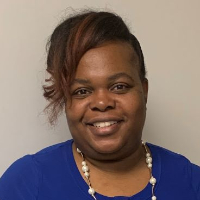
Therapist profile
Shironda Bryant, LCMHC
- Licensed in North Carolina
- 21 years in practice
- Sessions online
Licensed counselor - Young adult issues, relationships
- Stress and anxiety
- Relationship problems
- CBT and existential
About Shironda
She began her counseling career in New Jersey in 2005 and has practiced in North Carolina since 2012. Her work has taken her into many settings, including prisons, courts, schools, hospitals, and an army base. That range means she has experience listening to people under different pressures and helping them find practical steps forward.
In sessions she keeps the focus on the person in front of her. Conversations are interactive and respectful. She avoids stigmatizing labels and prefers to talk about concrete problems and goals people bring to therapy.
Her approach draws from Client-Centered Therapy, Cognitive Behavioral Therapy, Existential Therapy, Motivational Interviewing, Solution-Focused Therapy, and trauma-focused work. That mix is used to help people change unhelpful thinking, clarify values, set realistic goals, and work through difficult memories.
Shironda helps people who are navigating life transitions common in early adulthood, such as leaving home, starting work or school, managing money, and relationships. She aims to help clients build clearer plans, improve how they communicate, and reduce overwhelming feelings so they can manage everyday demands more easily.
How Shironda uses therapy approaches online
Client-Centered Therapy focuses on listening and following the client's lead. The therapist offers reflection and questions to help people better understand their feelings and goals, which can help with relationship strain, self-esteem, and decisions common in early adulthood.Cognitive Behavioral Therapy (CBT) looks at connections between thoughts, feelings, and behavior. It uses practical steps such as trying new behaviors and testing unhelpful thoughts. That approach is often useful for anxiety, depression, and managing anger or ADHD-related challenges.
Existential Therapy helps people clarify values and meaning when life feels uncertain. It invites honest discussion about responsibility, choices, and what matters, which can be helpful for those feeling lost after school or at a career crossroads.
Finding the right blend of methods is part of the first sessions. The therapist works collaboratively to decide what feels most helpful for a person’s goals and preferences. Conversations and small experiments guide adjustments over time so the plan stays relevant to everyday life.
Session formats are not specified in the biography, so confirm current options before booking. Many people find remote sessions make it easier to fit therapy into work, school, or caregiving schedules, allow shorter check-ins if needed, and reduce travel time. Talk with the therapist about scheduling and the session length that fits your routine.
Areas of expertise
Primary focus
Also works with
Additional focus areas
Therapeutic approaches
Experience
21+ years
Credentials
North Carolina
Languages
English
Frequently asked questions
What kinds of problems does she address?
She works with stress, anxiety, depression, relationship and family concerns, anger, ADHD, trauma and abuse, intimacy-related issues, parenting, self-esteem, and young adult issues.
How would she describe her therapeutic style?
Sessions are interactive and person-focused. She mixes client-centered conversation with practical techniques from cognitive behavioral and solution-focused approaches.
How much experience does the counselor have?
She has provided counseling since 2005 and has been licensed in North Carolina since 2012, giving her 21 years of experience overall.
What credential and location should I know?
She is an LCMHC in North Carolina. Sessions are provided with that credential and from her practice in that state.
Can someone who speaks a different language work with her?
Sessions are offered in English.
Does she work with international clients?
She is not currently accepting international clients.
How are sessions paid for and how much do they cost?
Cost varies with location; sessions use a subscription that can be canceled at any time.
What do I do to get started?
Select the See online therapy options button, complete a short matching questionnaire, and schedule a first session.